No labour market test
A regular work permit needs an LMIA, proof that no Canadian is available for the job. C11 is LMIA-exempt: the employer is your own company, and you prove benefit to the country rather than the absence of local candidates.
A Canadian work permit for an entrepreneur who opens or buys a business in Canada and runs it personally: at least 51 % ownership, a proven significant benefit to the Canadian economy, and no Labour Market Impact Assessment (LMIA). The spouse may qualify for an open work permit, children can study. This is not permanent residence: PR is a separate stage under other programmes, and we do not promise its approval. Your Indian passport stays.
Facts verified October 8, 2026 against official sources · Sources
Facts verified October 8, 2026 against official sources · Sources
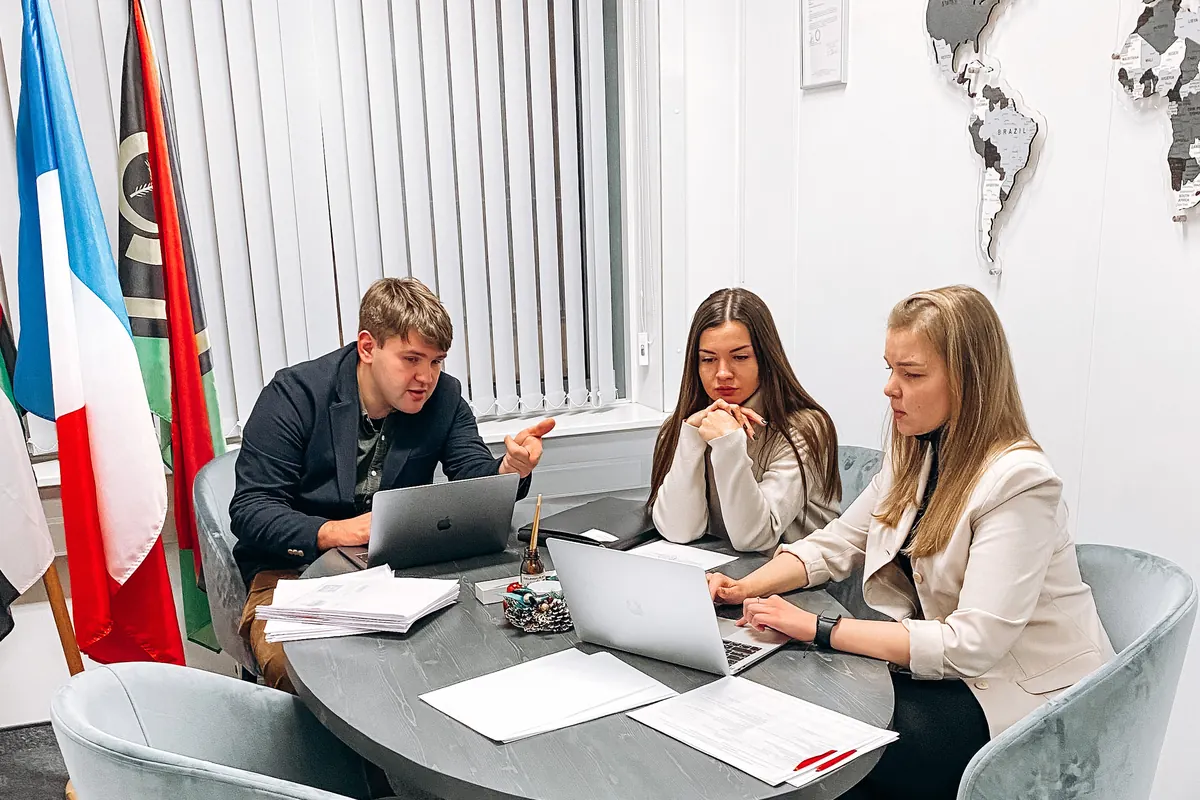
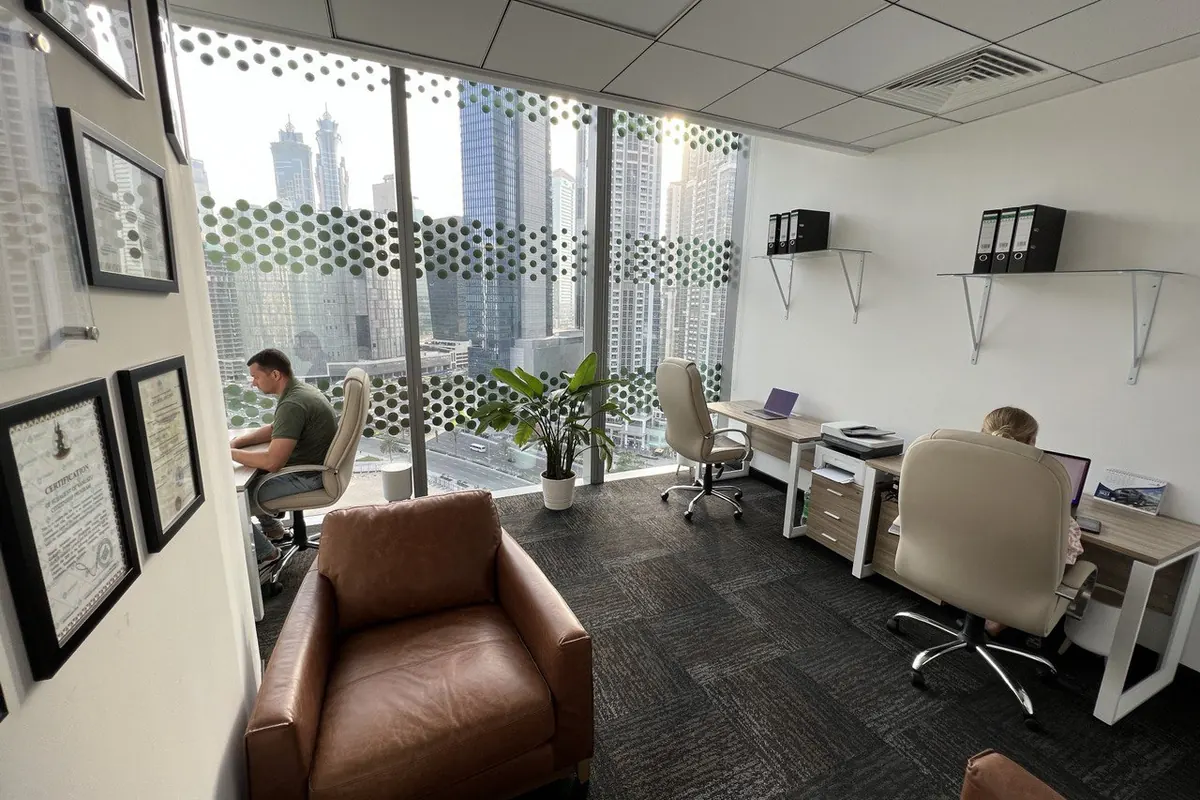
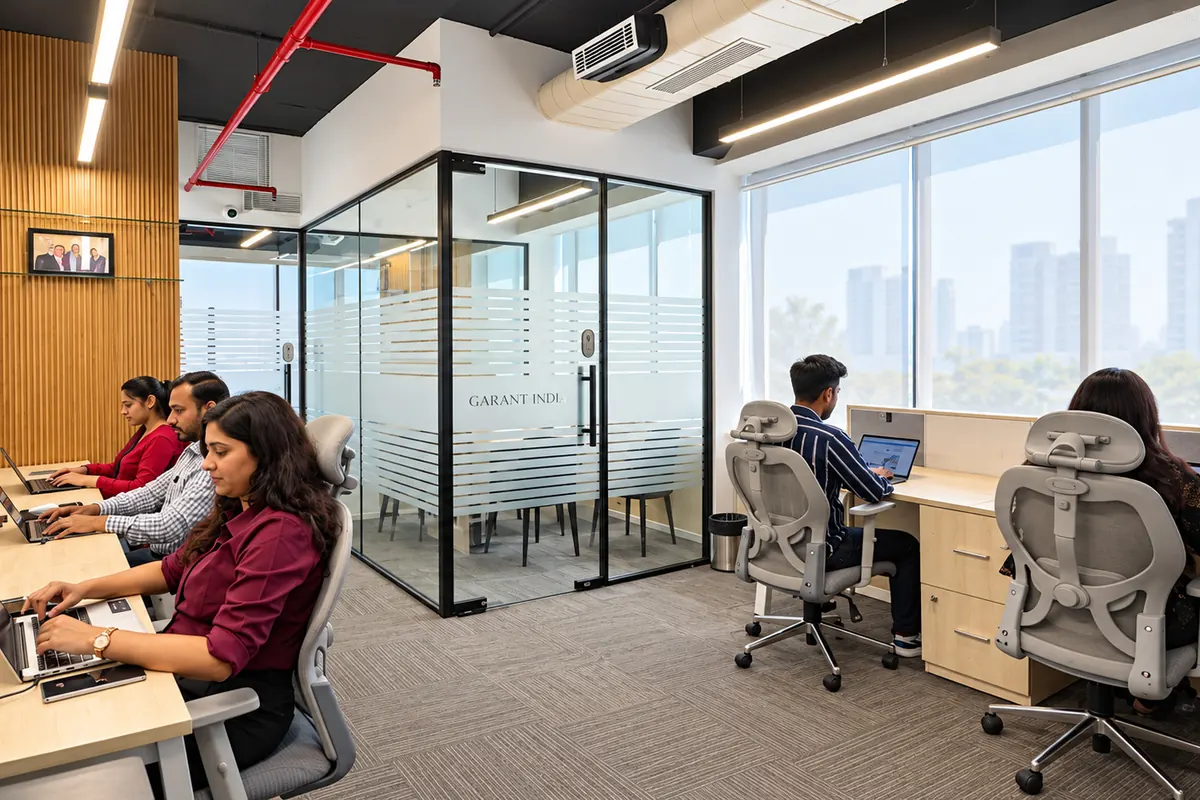
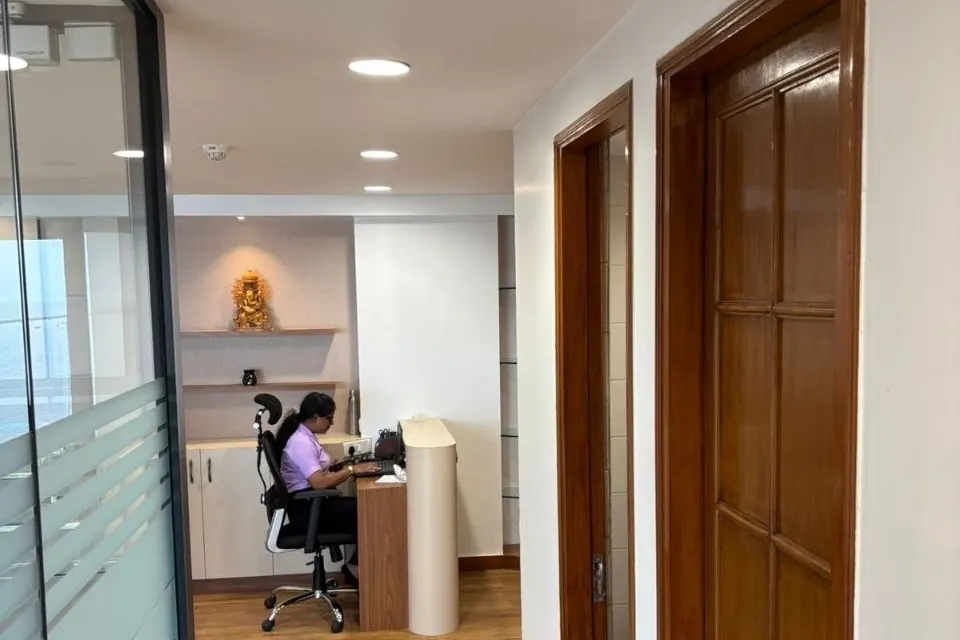
Owner, regional partners, the migration consulting and case management department and senior experts. These are the people you will speak to on the phone and meet in the office.

Founder & Managing Partner

Partner, Middle East & MENA Region
Managing Director, India & South Asia

Partner, Russia & CIS Region

Head of Migration Consulting & Case Management

Immigration & Compliance Specialist
A regular work permit needs an LMIA, proof that no Canadian is available for the job. C11 is LMIA-exempt: the employer is your own company, and you prove benefit to the country rather than the absence of local candidates.
The law names no threshold. You invest what your business needs: rent, equipment, salaries. IRCC looks at whether the plan is real and beneficial, not at a figure in the bank account.
This is not a passive investment in someone else’s project: you control the company (at least 51 %) and run it yourself. The Canadian business remains your asset regardless of status.
Subject to the conditions, the spouse receives an open work permit; children under 22 come with you and attend school without a separate permit.
A launched business, tax history and connections in a province are what provincial business streams assess. Days in Canada before PR count towards citizenship as half a day each, up to 365 days.
IRCC publishes its officer guidance: the significant-benefit factors, the ownership requirement, the duration, the documents. We build the file to those criteria, not to general words about ‘serious intentions’.
Facts verified October 8, 2026
| Work permit | CAD 155 per applicant; IRCC fee list of 21.09.2026 |
|---|---|
| Employer compliance fee | CAD 230 for the offer through the Employer Portal; paid by your company |
| Biometrics | CAD 85 per person; family of two or more: maximum CAD 170 |
| Temporary resident visa (TRV) | CAD 100 per person, required for Indian passport holders; family of 5 or more: maximum CAD 500 |
| Open work permit for the spouse | CAD 155 + CAD 100 work permit plus the open work permit holder fee |
| Study permit for a child (optional) | CAD 150 school needs no permit; college and university do |
| Processing time | Per IRCC times no statutory deadline; IRCC publishes current times by country and updates them |
| Permit duration | up to 18 months under C11 guidance; extension only with justification of temporary nature or transition |
Experience, idea, budget, family, citizenship and country of application. We decide: C11, the provincial route with a C60 permit, or another basis.
Incorporating or buying the company, ownership of at least 51 %, premises, bank account, employer registration in the Employer Portal.
Business plan with real steps, financial model, proof of settlement funds (LICO for 18 months) and business funds, evidence of experience, the offer and the CAD 230 fee.
Online work permit application, temporary resident visa, biometrics at the visa application centre in India or the UAE. The family files at the same time.
No statutory deadline; IRCC publishes current times by country. We answer requests for additional documents within the stated deadline, with templates prepared in advance.
The permit is issued at the port of entry. We launch the business, hiring and reporting. From month one we keep a calendar: extension, provincial nomination or Express Entry.
The official conditions are above. Below is how the C11 guidance works in practice and what we check before filing.
IRCC gives the example itself: a convenience store on Yonge Street in Toronto is unlikely to show significant benefit, while the same store in a remote community creates jobs and stimulates the local economy. Location and model matter more than the amount.
The permit is issued for no more than 18 months, and an extension needs justification. If the next step is a provincial nomination or Express Entry, it has to be prepared from month one, not two months before expiry.
The spouse’s open work permit is issued only if at least 16 months remain on your permit when their application is received and your occupation is TEER 0–1 or on the TEER 2–3 list. We file the family together with you, otherwise the window closes.
IRCC guidance explicitly directs those planning permanent residence to provincial business programmes (C60 permit) or the Start-up Visa. We compare both routes against your goal before filing, not after a refusal.

The tax consequences of a move do not arise only in the new country. For Indian families this matters most in two familiar situations: a family giving up long-held US green cards, and a family with a Canadian tax-residency history relocating to the Gulf or back to India.
We recommend a tax review before the move or before surrendering the status. Foreign funds, reporting and asset valuations need separate analysis: PFIC (passive foreign investment company) treatment is not a synonym for exit tax, and the two problems are solved differently.
| C11 — entrepreneur | C60 — provincial business candidate | |
|---|---|---|
| Legal basis | R205(a): significant benefit, own company of at least 51 % | R205(a): provincial support letter or a Quebec Selection Certificate (CSQ) |
| Purpose under the guidance | Temporary work in your own business | Launching a business on the way to nomination and PR |
| Permit duration | Up to 18 months | Up to 2 years (Quebec: up to 3) |
| Extension | With justification of temporary nature or transition | If the PR application is in process, or in exceptional cases |
| Provincial requirements | None | Yes: the criteria of the specific PNP stream, support letter |
| Family | Spouse: open work permit subject to conditions; children under 22 | The same |
| Path to PR | Separate stage, not predetermined | Built in: nomination → PR application to IRCC |
Per IRCC guidance as of 2 October 2026: C11 version of 27.05.2025, C60 version of 16.04.2026. Provincial stream conditions are checked on the filing date.
Coverage and expert commentary by Garant IN in business media.

You can't leave, you can't stay: how to prepare for obtaining a residence permit and French citizenshipRead on Forbes →

No French, No civic test: France’s exam‑free Visiteur visa Indian HNIs are quietly using as a first step to EU residencyRead on The Economic Times →

Is Dubai’s Property Market Cracking? Middle East conflict hits sales, delays projects and softens pricesRead on Financial Express →

Global Lens I U.S. President Donald Trump's Golden Card Visa: How Can Indians Tap This Programme?Watch on CNBC-TV18 →

Golden visa schemes are response to conflicts, Trump’s decisions on U.S. citizenship: Dubai-based immigration expertRead on The Hindu →

Is Dubai still a safe haven for investors, HNIs despite US-Iran conflict?Read on Business Standard →

Coverage in Moneycontrol: Amid US uncertainty, HNIs choose Caribbean, Gulf, EU residency programmesRead on Moneycontrol →

France, Italy or Grenada? Financial independence can get you settled there with freedom to roam world!Read on PTI →

Why India's wealthy are quietly buying second residencies abroadRead on India Today →
Who this programme suits in our practice.
You run a company in India, the UAE or elsewhere and want to open a Canadian company or branch and manage it personally. At least 51 % ownership and concrete launch steps are mandatory.
You buy an operating Canadian company with staff and become its managing owner. Maintaining jobs for Canadians is one of the forms of significant benefit IRCC recognises.
Consultants, architects, engineers, doctors with their own practice: you work for yourself through your Canadian company and show what it brings to the region or the market.
A product or service with an innovative element, export potential, technology development: the factors IRCC lists among the criteria of significant benefit.
The service fee depends on the business structure and family composition. We send the quote in reply to your message.
Main applicant
Fees of licensed local lawyers and authorised agents are charged separately at their rates
Request a quoteApplicant with spouse and children
Fees of licensed local lawyers and authorised agents are charged separately at their rates
Request a quoteFor Garant IN, family is a core value: your spouse and children come with you or later under the IRPR rules for family members of temporary workers. Below are the 2026 conditions from IRCC documents, without generic phrases.
An open work permit (code C41) is issued if you work in a TEER 0 or 1 occupation, or in an occupation on the TEER 2–3 list, and at least 16 months remain on your permit after the spouse’s application is received. Its duration cannot exceed yours. If the conditions are not met, the spouse enters as a visitor or applies on their own basis. Fees: CAD 155 + CAD 100.
A dependent child under the IRPR is under 22 and not married or in a common-law relationship; over 22 only if unable to support themselves because of a condition that began before 22. School-age children study without a permit (IRPA 30(2)); college and university require a study permit (CAD 150). Since 21 January 2025, dependent children of temporary workers no longer receive open work permits.
Parents are not part of a temporary worker’s family unit: for them, a visitor visa for the duration of a visit. Permanent status for parents is possible only after your PR through sponsorship, and that is a separate process with its own conditions.
There is no investment threshold, but settlement funds are calculated for the family size: LICO for your family for 18 months, separately from the business funds. Fees apply per person: visa CAD 100, biometrics CAD 85 (family: maximum CAD 170), permits for the spouse and children per the IRCC fee list. Marriage and birth certificates need certified translations. Remittances from India fall under the LRS limit per person per year, so the funding structure is planned across family members.
Filing together with the main applicant or later; the family’s status is tied to yours. Garant IN's migration programme experts check each family member’s documents before filing: certificates, translations, passports, biometrics. Data verified on 2 October 2026 against IRCC pages, the IRPR and the IRPA.
The C11 guidance is the same for everyone. The difference is whether your idea passes the significant-benefit test and what happens to the family and the status eighteen months later.
Before you spend money on a company and a lease, we run the idea through IRCC’s criteria: region, jobs, technology, exports. If the benefit does not add up, we change the location or the model rather than filing ‘as is’.
Partners, investors, shares: we structure them so the applicant holds at least 51 % and real control. A mistake here is a refusal on formal grounds before the business is even discussed.
IRCC asks whether the applicant has thought through the real steps to start. We prepare a plan with location, suppliers, an 18-month financial model and proof of funds: LICO for living, business funds separately.
Dual intent is legal, but the file rests either on a seasonal or temporary project or on a clear transition plan: a manager, a provincial nomination and a C60 permit, Express Entry. We name it up front rather than inventing it at extension time.
The spouse’s open work permit requires at least 16 months left on your permit; with an 18-month C11 that window is narrow. We file the family together with you and plan in advance how the children’s status changes at 22.
Wording pending approval.
C11 is not the name of a visa but an LMIA exemption code in Canada’s International Mobility Program. The legal basis is paragraph R205(a) of the Immigration and Refugee Protection Regulations: a work permit is issued where the work creates or maintains significant social, cultural or economic benefits or opportunities for Canadian citizens and permanent residents. In IRCC’s classification, code C11 covers entrepreneurs and self-employed people who run their own business.
The route suits owners of an operating business in India, the UAE or elsewhere who open a Canadian company and manage it personally; buyers of a working business with staff; self-employed professionals with their own practice; and technology entrepreneurs. Ownership of at least 51 % and a proven benefit to the country are mandatory: jobs, regional development, exports, technology. There is no fixed investment amount.
It does not suit those looking for an ‘investment visa for a fixed sum’ or expecting the permit to turn into PR automatically. IRCC guidance says plainly that owning a business does not give the right to live in Canada permanently, and those who plan permanent residence are directed to provincial business programmes or the Start-up Visa. That is why we compare C11 with the provincial route and the C60 permit before filing; the comparison is below.
Possible with justification: the business is still temporary or seasonal, or there is a transition plan. IRCC treats back-to-back permits with no break as a sign of de facto residence, so plan B is prepared in advance.
Provinces run their own entrepreneur streams; a nomination gives the right to apply to IRCC for PR, and a support letter gives a C60 permit of up to 2 years. Stream conditions differ and change.
The federal programmes score age, language, education and experience. Important: for the Canadian Experience Class, work experience in your own business in Canada does not count, so we assess this route separately for your profile.
Spouse: open work permit subject to the TEER and 16-month conditions; children: school. At 22 we find the child their own basis, for example a study permit.
After PR: 1,095 days in Canada within the 5 years before applying; days before PR count as half, up to 365 days. Plus language and tax returns for 3 of the 5 years.
 4 offices
Moscow, Dubai, New Delhi and Mumbai. Visit an office and see who is working with you.

Garant IN is a member of the Investment Migration Council (IMC), the Geneva-based international association of the investment migration industry. investmentmigration.org →

Garant IN is a member of CCI France Russie, the French Chamber of Commerce and Industry in Russia. ccifr.ru →
International migration consultancy since 2015.
Two levels of quality control: Garant IN's migration consulting and case management department runs a rigorous pre-application compliance screening (Pre-Due Diligence) and prepares the document package to 2026 requirements, while the application in Canada is prepared and filed together with licensed Canadian immigration consultants (RCIC) and lawyers. This is how we minimise the risk of refusal at the preparation stage, before the documents reach the government authority.
C11 is an LMIA exemption code under paragraph R205(a) of the IRPR: a work permit for an entrepreneur or self-employed person who runs their own business in Canada and brings the country a significant benefit. It is a temporary status, not a PR programme. IRCC directs those planning permanent residence to provincial business programmes (C60 permit) or the Start-up Visa.
No. C11 is part of the International Mobility Program, where the employer does not prove the absence of Canadian candidates. Instead, your company submits an offer through the Employer Portal and pays CAD 230, and you prove the business’s significant benefit to Canada.
No. The law and IRCC guidance name no threshold. What is assessed is how the business owner’s work will provide opportunities for Canadians or benefit the local economy, not the type of business or the amount invested. The amount is set by your business plan; separately you must show settlement funds for the family at the LICO level for 18 months.
IRCC looks at creating or maintaining jobs, developing a remote or rural region, exporting Canadian goods, new technology or services, and at how realistic the plan is: location, suppliers, finances, marketing, customers, the applicant’s experience. Evidence: a business plan with concrete steps, contracts, documents on buying or incorporating the company.
The guidance tells officers not to issue C11 for longer than 18 months: the work must be temporary. An extension is possible with justification: seasonal nature, a plan to hand over management, a parallel provincial nomination application. IRCC treats multi-year permits with no break as a sign of de facto residence and asks for proof of ties to home.
Yes. The requirements are the same: at least 51 % ownership, significant benefit, a real plan. Buying an operating company with staff often proves benefit more convincingly than a new project: you maintain jobs for Canadians.
By itself, no, and we will not promise that. PR is a separate stage: provincial entrepreneur programmes (nomination → PR application), Express Entry on your profile. Note that for the Canadian Experience Class, experience working in your own business does not count. The Start-up Visa was paused for new applicants on the verification date. Days in Canada before PR count towards citizenship as half a day each, up to 365 days.
Yes, if your occupation is TEER 0 or 1, or on the TEER 2–3 list, and at least 16 months remain on your permit when the spouse’s application is received. The spouse then receives an open work permit for no longer than yours. Since 2025, children no longer receive open work permits.
There is no statutory deadline. IRCC publishes current processing times by application type and country and updates them regularly; applications from outside Canada usually take longer than those from inside. We give an estimate on the filing date, not ‘two weeks’.
The application is filed online from your country of legal residence; biometrics are given at a visa application centre, in India or in the UAE for UAE residents. Indian passport holders need a temporary resident visa, issued together with the permit (CAD 100). The work permit itself is printed on entry to Canada.
Living and working in Canada, you become a tax resident and declare worldwide income; the company pays federal and provincial corporate tax. The structure of payments between the Indian or UAE company and the Canadian one, and the date your tax residency changes, are planned before the move, not after.
The permit rests on an operating company: an extension cannot be justified without it. We discuss plan B in advance: another basis, leaving with the right to re-apply, selling the business. That is why the business plan is built for a real launch, not for the application.
Parents: no. The rules for family members of temporary workers cover the spouse or partner and dependent children. Children are included up to 22 if unmarried; over 22 only if they cannot support themselves because of a condition that began before that age. For parents we arrange visitor visas for visits, and we discuss permanent status for them after your PR.
C11 has no investment threshold, and the family does not create one. Two things grow: proof of settlement funds, at the LICO level for your family size for 18 months, and fees per person: visa CAD 100, biometrics CAD 85 (no more than CAD 170 per family), the spouse’s permit CAD 155 + CAD 100, a child’s study permit CAD 150 on request.
Yes. If the application is refused through the fault of our team or an error in building the case, we refund the company's service fee less a minimal retention for costs actually incurred. Refund terms, the payment schedule and the rules on retaining service costs are fixed in the contract before work begins. Before we start, we check your documents and risk history free of charge and tell you about any risks in advance.
Message us in the messenger you prefer and you will receive an estimate for your family and route. We never message first: you send the first message.
The service fee depends on the business structure and family composition. We send the quote in reply to your message.
Programme updates and case breakdowns in our channels.
Figures and conditions on this page are checked against legislation and official pages. Last verified: .
Page updated: