A flat 15% instead of a progressive scale
Foreign income remitted to Malta is taxed at a single 15% rate for you, your spouse and your minor children. Foreign tax on that income can be credited.
Malta's special tax status for nationals of countries outside the EU: 15% on foreign income remitted to Malta, a minimum tax of EUR 15,000 a year, a home bought from EUR 275,000 or rented from EUR 9,600 a year for applications filed by 31.12.2026, and on that basis a residence permit for you and your family. The Indian passport stays untouched. This is a tax regime, not residence by investment: we describe the MPRP separately and never bundle the two.
Facts verified October 12, 2026 against official sources · Sources
Facts verified October 12, 2026 against official sources · Sources
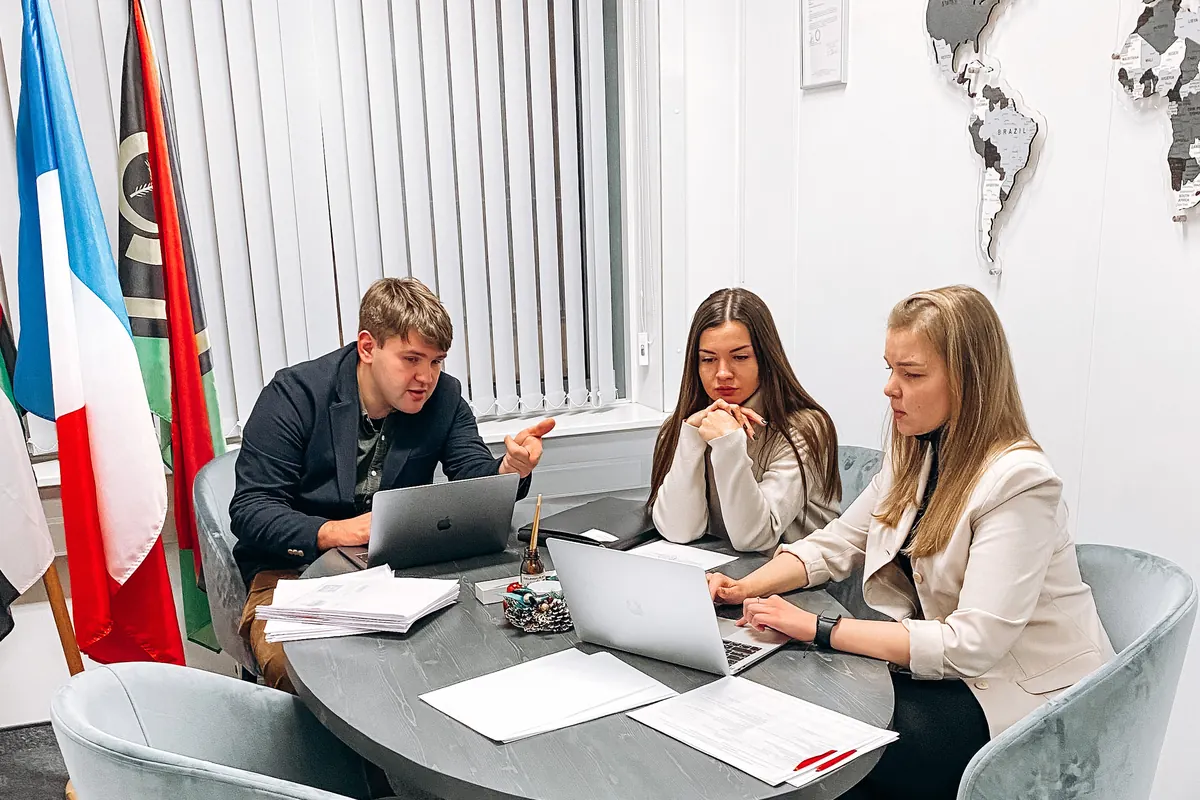
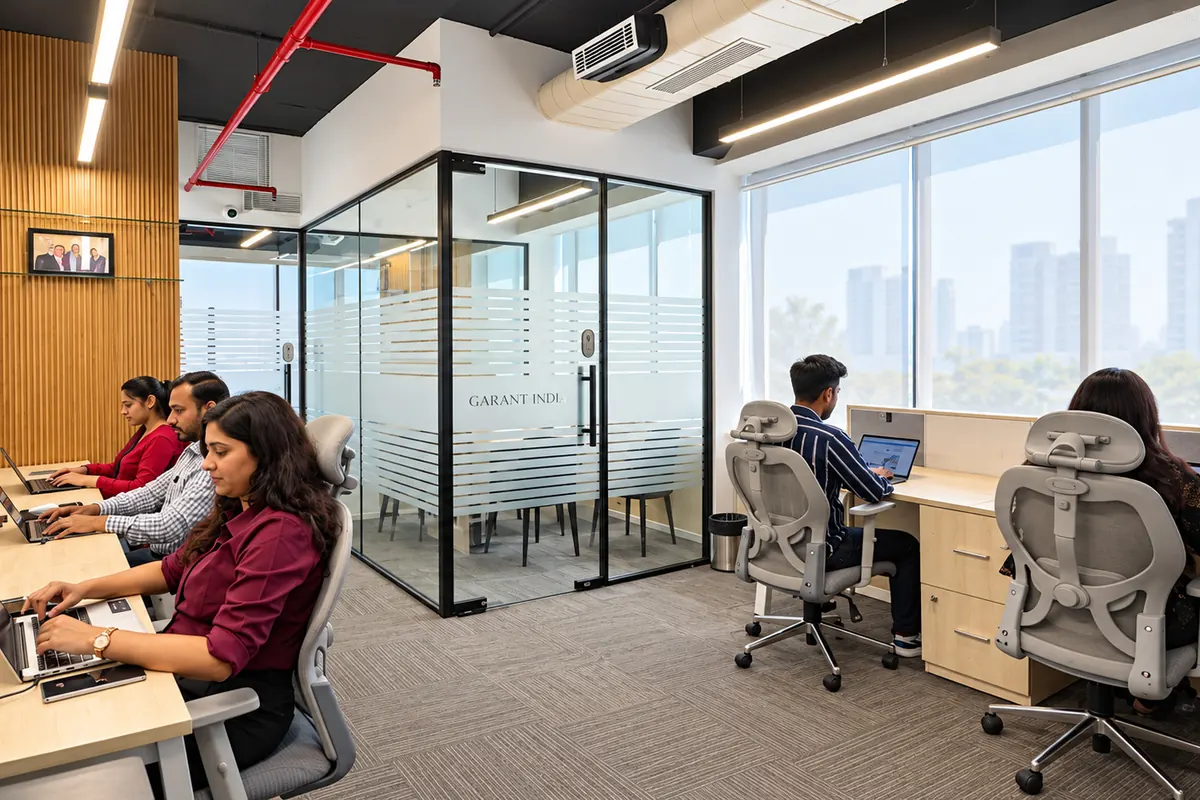
Owner, regional partners, the migration consulting and case management department and senior experts. These are the people you will speak to on the phone and meet in the office.

Founder & Managing Partner

Partner, Middle East & MENA Region

Managing Director, India & South Asia

Partner, Russia & CIS Region

Head of Migration Consulting & Case Management

Immigration & Compliance Specialist
Foreign income remitted to Malta is taxed at a single 15% rate for you, your spouse and your minor children. Foreign tax on that income can be credited.
The GRP rules apply the rate to income arising abroad and received in Malta. Income left abroad falls outside the rule, which is the point of the regime.
A EUR 6,000 application fee and rent from EUR 9,600 a year, against EUR 99,000 in government payments and EUR 14,000 rent under MPRP. No investment and no EUR 500,000 asset test.
The spouse and minor children are covered by the 15% rate and the minimum tax. A partner, children under 25 who are not working, parents and siblings are included as dependants, live with you and register separately for tax.
Under the tax authority's guidelines GRP does not preclude working in Malta if a work permit is obtained. Malta-source income is then taxed at the ordinary rate.
Every payment is fixed by the rules: fee, minimum tax by 30 April, property. No contribution, donation or dependant surcharges as in investment programmes, and the Indian passport is unaffected because this is residence, not citizenship.
Facts verified October 12, 2026
| Application fee | EUR 6,000 non-refundable; EUR 5,500 for a property bought in the south of Malta |
|---|---|
| Minimum tax | EUR 15,000 a year by 30 April; for the first year — before the status is confirmed; in full for the first and last year |
| Property purchase | from EUR 275,000 from EUR 220,000 in the south of Malta and Gozo |
| Property rental | from EUR 9,600 a year from EUR 8,750 in the south of Malta and Gozo; lease of at least 12 months |
| Residence card (Identità) | EUR 100 fee for new and renewal applications per Identità; filed through the Expatriates Unit portal |
| Letter of intent | 12 months the period within which the property contract must be submitted for the status to be confirmed |
| Processing | no statutory term the rules set no decision deadline; it depends on the completeness of the file and any requests |
We check nationality, income sources, family composition and how many days you plan to spend in each country. We decide whether GRP fits or another route is needed.
MTCA questionnaire and forms, apostilled police certificate, sworn declaration, EU-wide insurance, proof of resources, English translations, a bank draft for the EUR 6,000 fee.
The Authorised Registered Mandatary files the application with the International & Corporate Tax Unit. The tax authority checks completeness and reports progress.
The applicant and family are checked. On a positive outcome a letter of intent valid for 12 months is issued together with a declaration of primary residence.
We submit the purchase deed or lease and pay the first year's minimum tax of EUR 15,000. The tax authority issues the confirmation letter.
Residence card application through the Identità portal (EUR 100 fee). Then the minimum tax and return by 30 April each year and notification of changes in the family or circumstances within 4 weeks.
The official conditions are above. Below is how the regime works in real life, from our cases and research.
The tax regime cannot be treated as an attachment to a Maltese permanent residence card. It is a separate application to the tax authority with its own property, days and insurance conditions. Nobody should promise every cardholder the same rate.
The right to live in Malta, easier travel or a tax structure are three different tasks. Buying a status and changing your tax position are different decisions, and we cost the consequences for each income stream before starting.
The rate applies only to foreign income remitted to Malta. Malta-source income is taxed at 35%, the minimum tax is due even with zero remittances, and long-term resident status in Malta ends the regime.
More than 183 days in another country, a let property or lapsed insurance and the status ends. We plan the calendar and the contract in advance.

The Global Residence Programme (GRP) is a separate tax regime. It cannot be treated as an automatic consequence of MPRP, and no one should promise every cardholder the same tax rate.
We first establish what the family needs: the right to live in Malta, easier travel, or a tax structure. Then we cost the full budget and the consequences for each income stream. Buying a status and changing your tax position are different decisions.
| GRP — special tax status | MPRP — permanent residence by investment | |
|---|---|---|
| What you get | A 15% rate on foreign income remitted to Malta; the residence permit is a separate step | A permanent right for the family to live in Malta |
| Government payments | EUR 6,000 fee (EUR 5,500 in the south of Malta); minimum tax EUR 15,000 a year | EUR 60,000 fee + EUR 37,000 contribution + EUR 2,000; EUR 7,500 per adult dependant |
| Property | Buy from EUR 275,000 (EUR 220,000 in the south and Gozo) or rent from EUR 9,600 a year (EUR 8,750) | Buy from EUR 375,000 or rent from EUR 14,000 a year |
| Assets | No threshold; stable resources | EUR 500,000 or EUR 650,000 |
| Days requirement | No more than 183 days a year in any other country | None |
| Family | Spouse, children under 25, dependent parents, siblings | Up to four generations |
| Duration | While conditions are met and the minimum tax is paid | Indefinite while conditions are met |
Conditions as verified on 12 October 2026 under S.L. 123.148 and S.L. 217.26 for GRP applications filed by 31.12.2026; from 1.01.2027 the rules of L.N. 195 of 2026 apply. Re-checked on the filing date.
Coverage and expert commentary by Garant IN in business media.

You can't leave, you can't stay: how to prepare for obtaining a residence permit and French citizenshipRead on Forbes →

Golden visa costs surge for Indians as rupee weakens: Greece, Cyprus, Malta programmes become significantly costlierRead on The Economic Times →

Malta and Greece shine as the best destinations for citizenship and Golden visa programs in 2025Read on Financial Express →

Global Lens I U.S. President Donald Trump's Golden Card Visa: How Can Indians Tap This Programme?Watch on CNBC-TV18 →

Golden visa schemes are response to conflicts, Trump’s decisions on U.S. citizenship: Dubai-based immigration expertRead on The Hindu →

Is Dubai still a safe haven for investors, HNIs despite US-Iran conflict?Read on Business Standard →

Coverage in Moneycontrol: Amid US uncertainty, HNIs choose Caribbean, Gulf, EU residency programmesRead on Moneycontrol →

France, Italy or Grenada? Financial independence can get you settled there with freedom to roam world!Read on PTI →

Why India's wealthy are quietly buying second residencies abroadRead on India Today →
Who this programme suits in our practice.
Dividends, rent, interest and other income arising outside Malta are taxed at 15% only on the part remitted to Malta. What stays abroad falls outside the GRP rules.
Entry through a lease from EUR 9,600 a year and a EUR 6,000 fee; no EUR 375,000 property and no EUR 99,000 in government payments as under MPRP. For resident Indians the outlay fits comfortably within the LRS cap.
The status requires that you spend no more than 183 days a year in any other country. It suits people who genuinely live between countries, not those looking for a paper residence.
A flat rate and a EUR 15,000 minimum tax make the budget predictable. We cost the consequences for every income source instead of selling '15%' as a slogan.
Our fee depends on the family composition and your income sources. We send the quote in reply to your message.
Main applicant
Fees of licensed local lawyers and authorised agents are charged separately at their rates
Request a quoteApplicant with spouse, children, parents or siblings
Fees of licensed local lawyers and authorised agents are charged separately at their rates
Request a quoteFor Garant IN the family is a core value: the GRP status extends to your relatives under rule 2 of S.L. 123.148 (the definition of 'dependant') and the tax authority's guidelines. Below are the 2026 conditions from the rules, without generic phrases.
The spouse is covered by the 15% rate, and the EUR 15,000 minimum tax covers their foreign income remitted to Malta. A partner in a stable and durable relationship is included as a dependant and lives with you, but their income is registered separately and taxed at the ordinary rates. Adults need a police certificate and a sworn declaration.
Minor children, including adopted children and children in your care, are under the 15% rate and the minimum tax. Children under 25 who are not working and not seeking work are included as dependants but taxed separately. Adult children unable to maintain themselves because of illness or disability are under the 15% rate at any age.
Dependent parents, grandparents, brothers and sisters of the applicant or partner are included as dependants provided they live with you in the qualifying property and do not benefit from other Maltese schemes. Their income is registered separately. Household staff with 2 years of service under a contract may also live in the property. This does not apply to applications from 2027: under L.N. 195 of 2026 dependants are only the spouse (partner) and children.
The application fee is EUR 6,000, paid once, with no surcharge for dependants. The EUR 15,000 minimum tax covers you, your spouse and your minor children together; other dependants pay separately on their own income. A residence card through Identità costs EUR 100 per application for each person. EU-wide insurance is needed for everyone. Changes in the number of dependants are notified within 4 weeks. For funds sent from India the outlay is planned within the LRS cap of USD 250,000 per person per financial year.
All adult dependants and household staff go through the good-standing check: a police certificate no older than 6 months and a sworn declaration. Garant IN's migration programme experts check each member's documents against the 2026 rules in advance to rule out a refusal for an individual family member. Verified on 6 October 2026 against S.L. 123.148 and the MTCA guidelines.
The GRP rules are the same for everyone. The difference is in the arithmetic: whether 15% suits your particular income, and whether the status costs more than it looks.
The right to live in Malta, easier travel or a tax structure are different goals. GRP solves the third. If the family needs a permanent status we look at MPRP; if it needs everything at once we check whether the regimes are compatible and what that costs.
What will be remitted to Malta and taxed at 15%, what stays abroad, which Malta-source income falls under 35%, which foreign tax is credited — and what happens to your obligations in India or the UAE at the same time.
Stay more than 183 days in another country in a year and the status is lost, under the guidelines retrospectively from the date it was granted. We plan the family's calendar in advance and say plainly if your lifestyle does not fit.
Principal residence worldwide, no letting, no outside occupants, a lease of 12 months or more with full landlord details. We check the property and the contract before filing so the tax authority does not send the file back.
The tax status comes from MTCA, the residence card from Identità. We synchronise the timeline: letter of intent, contract, minimum tax, confirmation, card application.
Wording pending approval.
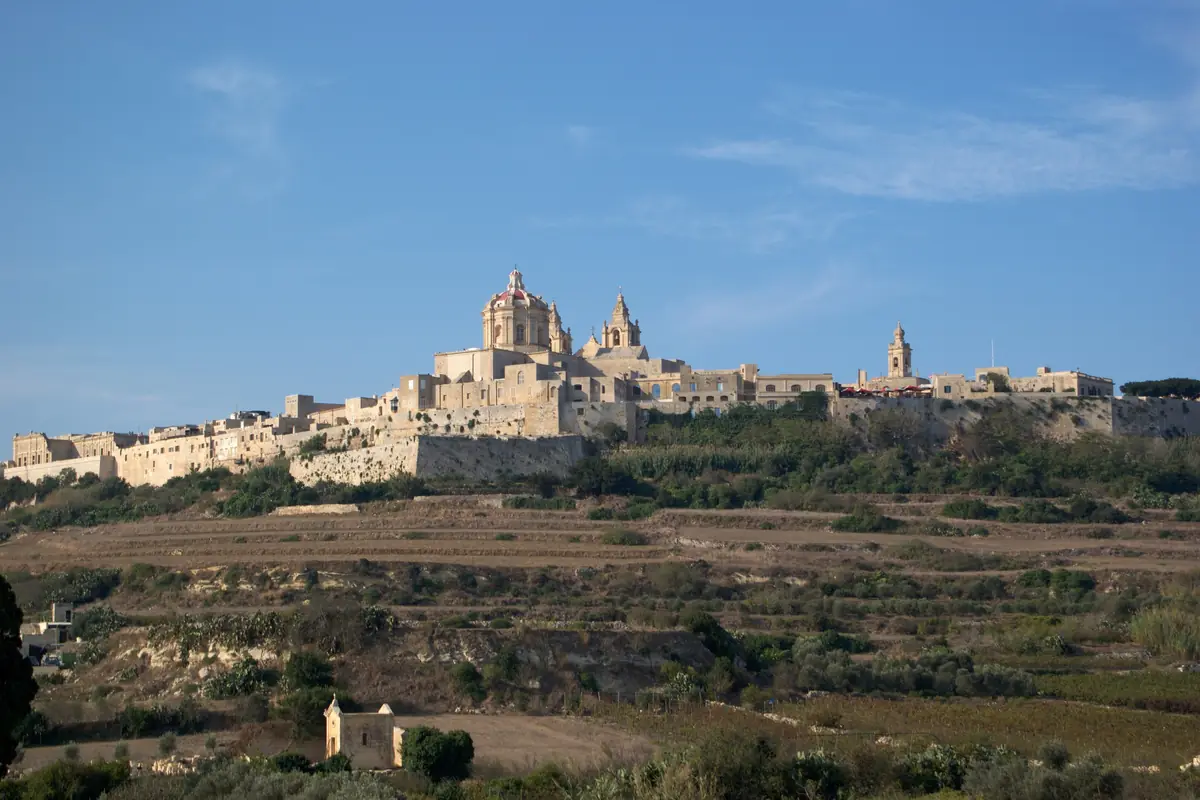
The Global Residence Programme is a special tax status that the Maltese tax authority grants to nationals of countries outside the EU under S.L. 123.148. The beneficiary pays 15% on foreign income remitted to Malta, but not less than EUR 15,000 a year, keeps a home on the island as their principal residence, and spends no more than 183 days a year in any other country. On that basis Identità issues a residence card to them and their family.
Three kinds of applicants choose it. First, owners of foreign businesses and rentiers with income outside Malta who want a predictable rate. Second, people who need a tax base in the EU without an investment: entry through a lease from EUR 9,600 a year and a EUR 6,000 fee. Third, families who genuinely live between countries and will spend a meaningful part of the year in Malta. For Indian families it has the same advantage as any residence route: the Indian passport stays.
It does not suit anyone looking for a permanent status with no commitment on days — that is MPRP, which we describe separately. Nor anyone expecting ‘15%’ as an attachment to a permanent residence card: it is a separate application, separate conditions and a separate budget.
The EUR 15,000 minimum tax and a return confirming the conditions by 30 April; changes in the family, property or insurance are notified to the tax authority within 4 weeks, otherwise a EUR 5,000 penalty applies. The mandatary checks each year whether anyone in the family has become a long-term resident.
Moved to Malta for good and want a permanent status — we look at MPRP. Stayed in another country for more than 183 days — the GRP status ends and the next step needs deciding in advance.
Long-term resident status in Malta and EU citizenship end the GRP regime: income becomes taxable on a worldwide basis under the ordinary rules. Naturalisation under the Citizenship Act requires 12 months of residence before applying and 4 of the previous 6 years, at the Minister's discretion — and for Indian citizens it would mean surrendering the Indian passport.
On the beneficiary's death the status passes to one dependant who inherited the property or rented a qualifying property immediately afterwards, provided all other conditions are met and the documents are filed within 183 days.
 4 offices
Moscow, Dubai, New Delhi and Mumbai. Visit an office and see who is working with you.

Garant IN is a member of the Investment Migration Council (IMC), the Geneva-based international association of the investment migration industry. investmentmigration.org →

Garant IN is a member of CCI France Russie, the French Chamber of Commerce and Industry in Russia. ccifr.ru →
International migration consultancy since 2015.
Two levels of quality control: Garant IN's migration consulting and case management department runs a rigorous pre-application compliance screening (Pre-Due Diligence) and prepares the document package to 2026 requirements, while the application in Malta is prepared and filed together with licensed local lawyers and authorised agents. GRP applications are accepted only from an Authorised Registered Mandatory (ARM) listed by the Malta Tax and Customs Administration. This is how we minimise the risk of refusal at the preparation stage, before the documents reach the government authority.
GRP is a tax status: a 15% rate on foreign income remitted to Malta with a minimum tax of EUR 15,000 a year. MPRP is a permanent right to live in Malta for EUR 99,000 in non-refundable payments and a home from EUR 375,000 or EUR 14,000 a year. GRP gives no permanent status; MPRP fixes no tax. Neither follows from the other.
15% on income arising abroad and received in Malta, with relief for foreign tax, and at least EUR 15,000 a year. Malta-source income is taxed at 35%. Income left abroad and not remitted to Malta falls outside the GRP rules. How this interacts with your obligations in India or the UAE is a separate calculation.
The rules set no minimum number of days in Malta, but they prohibit spending more than 183 days in any calendar year in any other country, and the property must be your principal residence worldwide. Under the guidelines, losing a condition takes effect retrospectively from the date the status was granted.
Buy from EUR 275,000 in Malta or from EUR 220,000 in the south of Malta and Gozo, or rent from EUR 9,600 a year (from EUR 8,750) on a lease of at least 12 months. Only you, your dependants and household staff may live there; letting is not allowed. The list of 'southern' localities is fixed in the rules. The contract can be submitted after filing, within the 12 months of the letter of intent.
There is no figure in the law: you need 'stable and regular resources' sufficient for the family without recourse to Maltese social assistance, declared by your mandatary. The practical benchmark is the EUR 15,000 minimum tax plus housing and living costs.
A EUR 6,000 fee (EUR 5,500 for a property bought in the south), the first year's minimum tax of EUR 15,000 before confirmation, property, insurance, and an Identità card at EUR 100. The rules set no processing time: it depends on the completeness of the file and any requests. The letter of intent is valid for 12 months, which is the time you have for the property contract.
Under the tax authority's guidelines the status does not preclude working in Malta if a work permit is obtained. Malta-source income is then taxed at the ordinary 35% rate within the regime. Dependants and household staff obtain a Single Permit through Identità.
The tax authority grants the tax status, and the residence card is issued by Identità (Expatriates Unit) on an application through its portal, with a EUR 100 fee for new and renewal applications. Identità expressly lists beneficiaries of the Global Residence Programme among those who may apply for a residence permit. The card's validity and renewal procedure are confirmed for your case.
On acquiring EU, EEA or Swiss nationality, becoming a long-term resident of Malta, losing or letting the qualifying property, losing the insurance, spending more than 183 days in a year in another country, or if your stay is found to be against the public interest. The tax authority must be notified within 4 weeks, otherwise a EUR 5,000 penalty applies. The responsible ministers may condone a failure caused by unforeseen circumstances.
No. GRP is a tax status with a residence permit, not citizenship, so the Indian passport is untouched. What does change is your tax position: Indian residents must plan the remittance within the LRS cap of USD 250,000 per person per financial year and assess their Indian tax residency alongside the Maltese status. We do that calculation before filing.
A police certificate no older than 6 months with an apostille (Indian documents apostilled by the Ministry of External Affairs; UAE documents legalised through the UAE Ministry of Foreign Affairs), a sworn declaration before a Maltese commissioner for oaths, a passport copy, an EU-wide insurance policy, proof of resources, and the property contract with full details of the seller or landlord. Everything in English with certified translations.
Yes. Rule 2 of S.L. 123.148 counts as dependants children under 25 who are not working and not seeking work, adult children with a serious illness or disability, and dependent parents, grandparents, brothers and sisters of the applicant or partner. The condition is that they live with you in the qualifying property. Of these, only children with a disability fall under the 15% rate; the others register separately with the tax authority. This applies to applications filed by 31.12.2026: under L.N. 195 of 2026, from 2027 dependants are only the spouse (partner) and children.
The EUR 6,000 fee is paid once per application with no surcharge for dependants. The EUR 15,000 minimum tax is a single amount for you, your spouse and your minor children. A partner, adult children, parents and siblings are taxed separately on their own income. Insurance for everyone and an Identità residence card at EUR 100 per application are added.
Yes. If the application is refused through the fault of our team or an error in building the case, we refund the company's service fee less a minimal retention for costs actually incurred. Refund terms, the payment schedule and the rules on retaining service costs are fixed in the contract before work begins. Before we start, we check your documents and risk history free of charge and tell you about any risks in advance.
Message us in the messenger you prefer and you will receive an estimate for your family and route. We never message first: you send the first message.
Our fee depends on the family composition and your income sources. We send the quote in reply to your message.
Programme updates and case breakdowns in our channels.
Figures and conditions on this page are checked against legislation and official pages. Last verified: .
Page updated: