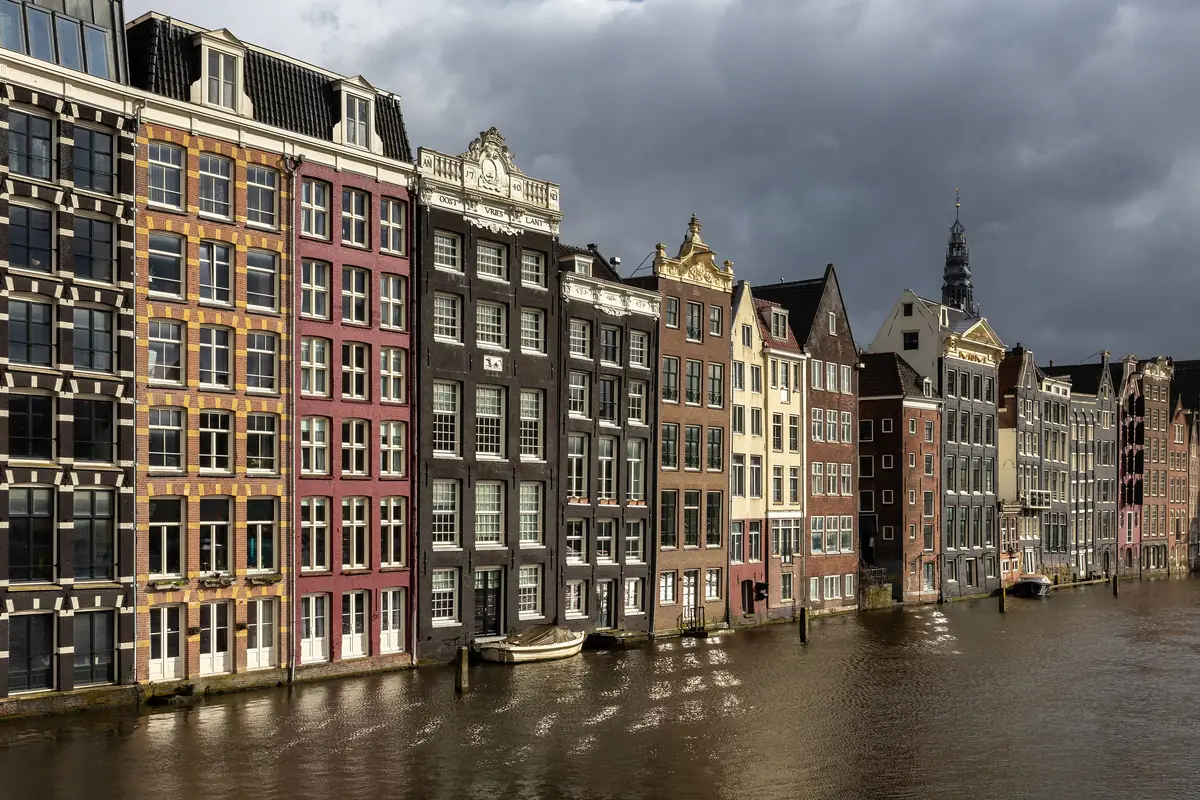
A business base in the heart of Europe
You run your company in the Netherlands yourself: Chamber of Commerce registration, a Dutch bank and direct access to clients and partners across the EU.
A Dutch residence permit for founders who open or move their own business to the Netherlands: a permit of up to 2 years with extensions, the right for your family to live and work there, and permanent residence after 5 years. The status cannot be bought with a sum: the Netherlands Enterprise Agency (RVO) scores your experience, your business plan and the value for the Dutch economy.
Facts verified October 9, 2026 against official sources · Sources
Facts verified October 9, 2026 against official sources · Sources
Owner, regional partners, the migration consulting and case management department and senior experts. These are the people you will speak to on the phone and meet in the office.

Founder & Managing Partner

Partner, Middle East & MENA Region
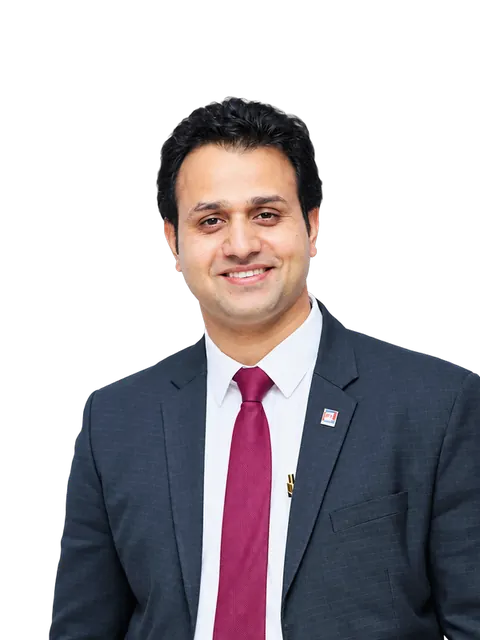
Managing Director, India & South Asia

Partner, Russia & CIS Region

Head of Migration Consulting & Case Management

Immigration & Compliance Specialist
You run your company in the Netherlands yourself: Chamber of Commerce registration, a Dutch bank and direct access to clients and partners across the EU.
Your partner and children receive residence permits as family members, and their card states that work is allowed without a separate permit (arbeid vrij toegestaan).
Self-employment is a non-temporary residence purpose under Dutch law, so the years on this permit count towards the 5 years for permanent residence.
With a valid Dutch residence permit and passport you do not need a visa to travel within the Schengen Area.
The RVO criteria are published: points for education, experience, financing, market, investment and jobs. You can see the strengths and weak spots of your case before filing.
After 5 years of continuous residence you can apply for naturalisation: a civic integration exam at level A2 and, as a rule, giving up your previous nationality.
Facts verified October 9, 2026
| IND fee: self-employed (MVV + permit) | €423 first application, change of purpose and extension; IND tariff as of 9 October 2026 |
|---|---|
| Partner's fee | €254 residence with a family member, including an unmarried partner |
| Fee for a child under 18 | €85 residence with a parent |
| IND decision | 90 days by law; up to 6 more months if RVO advice is requested, longer if the application is incomplete |
| Permanent residence permit | €254 after 5 years on a residence permit, civic integration exam at level A2 |
| Naturalisation | €1,139 per person; with a partner — €1,454; a child under 18 with a parent — €168 |
We review your experience, capital, family and goals, decide between self-employed, start-up or another route, and estimate your RVO score.
A three-year business plan, evidence of experience and income, financing, Chamber of Commerce registration, legalisation and translation of documents.
Appointment at the embassy or consulate and biometrics, then sending the application to the IND within 3 weeks of the date on the form and paying the fee within the same 3 weeks.
The IND asks RVO to score the business. The statutory period is 90 days, with an extension of at most 6 months for RVO advice. We answer any requests for documents on time.
After a positive decision you book the MVV sticker within 3 months; the MVV is valid for 90 days. In the Netherlands you collect the card at an IND desk, register your address and take a TB test if required.
You run the business according to plan and report changes to the IND. On extension the IND asks for annual accounts and checks that the company is active and the invested capital stayed in the business.
The official conditions are set out above. Below is what we focus on when preparing a case, based on IND and RVO rules.
The Netherlands abolished its foreign investor permit because it did little for the economy. Today the assessment is about the business: what it brings to the country, who runs it and how many people it will employ.
You must play an active role in the business. If you only want to invest without working in the company, this route is not for you, and we will say so before filing.
If you spend more than 6 continuous months abroad in a calendar year, or more than 4 continuous months three years in a row, the IND may conclude you have moved your main residence and withdraw or refuse to extend the permit.
A partner from most non-EU countries, including India, must pass the Civic Integration Exam Abroad before the MVV. Start late, and the family arrives after the main applicant.
| Self-employed (zelfstandige) | Start-up | DAFT — US citizens only | |
|---|---|---|---|
| Who it is for | An entrepreneur whose business plan serves the Dutch economy | An early-stage entrepreneur with an innovative product | US citizens (a similar treaty covers Japanese citizens) |
| How it is assessed | RVO points: at least 30 out of 100 in each of three areas | Contract with an RVO-listed facilitator and a step-by-step plan | Substantial capital in the business: from €4,500 for most legal forms |
| Means of support | Profit from €1,766.77 a month per the business plan | Funds in a Dutch account for the whole stay, or financing by the facilitator | KvK registration and investment within 6 months |
| Permit term | Up to 2 years, renewable | Funds required for a stay of up to 1 year | Up to 2 years, renewable |
| IND fee | €423 | €423 | €423 |
| What next | Extension, permanent residence after 5 years | Switch to self-employed once the business is running | Extension if the capital stays in the business |
Conditions and fees per ind.nl as of 9 October 2026; IND fees are revised periodically.
Coverage and expert commentary by Garant IN in business media.

You can't leave, you can't stay: how to prepare for obtaining a residence permit and French citizenshipRead on Forbes →

No French, No civic test: France’s exam‑free Visiteur visa Indian HNIs are quietly using as a first step to EU residencyRead on The Economic Times →

Is Dubai’s Property Market Cracking? Middle East conflict hits sales, delays projects and softens pricesRead on Financial Express →

Global Lens I U.S. President Donald Trump's Golden Card Visa: How Can Indians Tap This Programme?Watch on CNBC-TV18 →

Golden visa schemes are response to conflicts, Trump’s decisions on U.S. citizenship: Dubai-based immigration expertRead on The Hindu →

Is Dubai still a safe haven for investors, HNIs despite US-Iran conflict?Read on Business Standard →

Coverage in Moneycontrol: Amid US uncertainty, HNIs choose Caribbean, Gulf, EU residency programmesRead on Moneycontrol →

France, Italy or Grenada? Financial independence can get you settled there with freedom to roam world!Read on PTI →

Why India's wealthy are quietly buying second residencies abroadRead on India Today →
A route for people ready to run a real business in the Netherlands, not just to park money there.
You are opening a Dutch company or a branch of your existing business, will manage it personally and can present a three-year plan with financing and jobs.
You are ready to put your own funds into the fixed and intangible assets of a Dutch company in its first year: the size of that investment directly affects the RVO score.
Medical specialists, artists and other independent professions: the points system does not apply, and the IND assesses the essential interest using advice from the relevant ministries.
If your product is innovative and you are at an early stage, we also look at the one-year start-up permit with an RVO-listed facilitator and the switch to self-employed afterwards.
Our fee depends on the business plan and family composition. We send the quote in reply to your message.
Main applicant
Fees of licensed local lawyers and authorised agents are charged separately at their rates
Request a quoteApplicant with partner and children
Fees of licensed local lawyers and authorised agents are charged separately at their rates
Request a quoteFor Garant IN, family comes first. The partner and minor children of a self-employed permit holder receive residence permits as family members under the general IND rules. Below are the conditions as of October 2026, taken from the official IND pages.
Marriage, registered partnership or a verifiable unmarried relationship. Both partners must be 21 or older, or 18 if you were already married before moving. You live together and register at the same address. A partner from most non-EU countries, India included, must pass the Civic Integration Exam Abroad before the MVV; exemptions cover, among others, citizens of the EU, the USA, Canada, Japan, the UK, Switzerland, Australia, New Zealand and South Korea. The fee is €254. Your partner may work without a separate permit.
Children under 18 receive a residence permit to stay with a parent; the fee is €85. Minors are exempt from the integration exam. There is no separate route for adult children: the only option is an application under Article 8 of the European Convention on Human Rights, and the IND states plainly that such permits are granted only in rare cases.
IND rules have no separate route for the applicant's parents. The only option is an Article 8 ECHR application, which the IND considers when no other permit applies and almost never grants. The realistic option for parents is short visits on a Schengen visa. We will not promise to relocate your parents.
The self-employed sponsor's profit must meet the family reunification standard: €2,523.96 gross profit a month including holiday allowance, instead of €1,766.77 for a single applicant (standards for 1 July – 31 December 2026). When filing together, the IND assesses the expected income in the business plan; later, actual profit. Standards are indexed twice a year. Fees: €254 for a partner and €85 for each child under 18.
Your family can apply together with you or later. Garant IN's migration programme experts check each family member's documents, integration exam exemption and income calculation in advance, so that no individual application is refused. Data verified on 9 October 2026 against ind.nl.
The RVO criteria are the same for everyone. The difference lies in how your business plan and background are mapped to those points and how realistic the numbers are.
We compare self-employed, start-up and other routes against your goals. If the Netherlands has no route for your situation, we tell you before filing and suggest countries where one exists.
Every RVO criterion is backed by evidence: financing, market analysis, first-year investment and jobs within 1.5 years.
We check whether the profit forecast covers the IND standards for you and your family, with headroom for the twice-yearly indexation.
Capital for the Dutch company has to arrive through a clean, documented route. For Indian residents we plan the remittance under the Liberalised Remittance Scheme (LRS) per family member, alongside the business timeline.
We track the main-residence rule, extensions and the A2 exam so that your 5 years towards permanent residence and naturalisation are not interrupted.
Wording pending approval.
The Netherlands has no ‘golden visa’ in the usual sense. The scheme for wealthy foreign nationals who invested in Dutch companies was closed to new applications in spring 2024, after the government concluded it did little for the economy. For an applicant without a Dutch employer, what remains is the route this page is built on — the self-employed (zelfstandige) residence permit: you run your own business in the Netherlands, and the state checks that the country needs it.
The check is carried out by the Netherlands Enterprise Agency (RVO) under a published points system. Three areas are scored: your personal experience, the quality of the business plan, and the value for the Netherlands — investment, innovation and jobs. Capital matters here, not as the price of a status but as part of the plan: first-year investment in company assets earns points, and so does financing by a Dutch bank.
The route suits business owners and entrepreneurs — including Indian founders and UAE-based owners expanding into the EU — who will manage the company in person and live in the Netherlands: the main-residence rule does not allow a permit held ‘just in case’. It does not suit people who only want to invest without running a business; for that goal we look at other EU countries.
We file before expiry. The IND reviews annual accounts and a balance sheet or income statement: the business must be active and the capital must remain in the company.
After 5 years of work in the Netherlands you no longer need a work permit (TWV) for employment: your card can be replaced with one marked ‘free to work’.
You need 5 years of continuous residence with your main residence in the Netherlands, sufficient income, registration in the BRP population register and a civic integration exam at level A2. The fee is €254.
Naturalisation is open from age 18 after 5 years of continuous residence: civic integration exam at level A2 and, as a rule, giving up your current nationality, subject to the statutory exceptions. The fee is €1,139 per person.
 4 offices
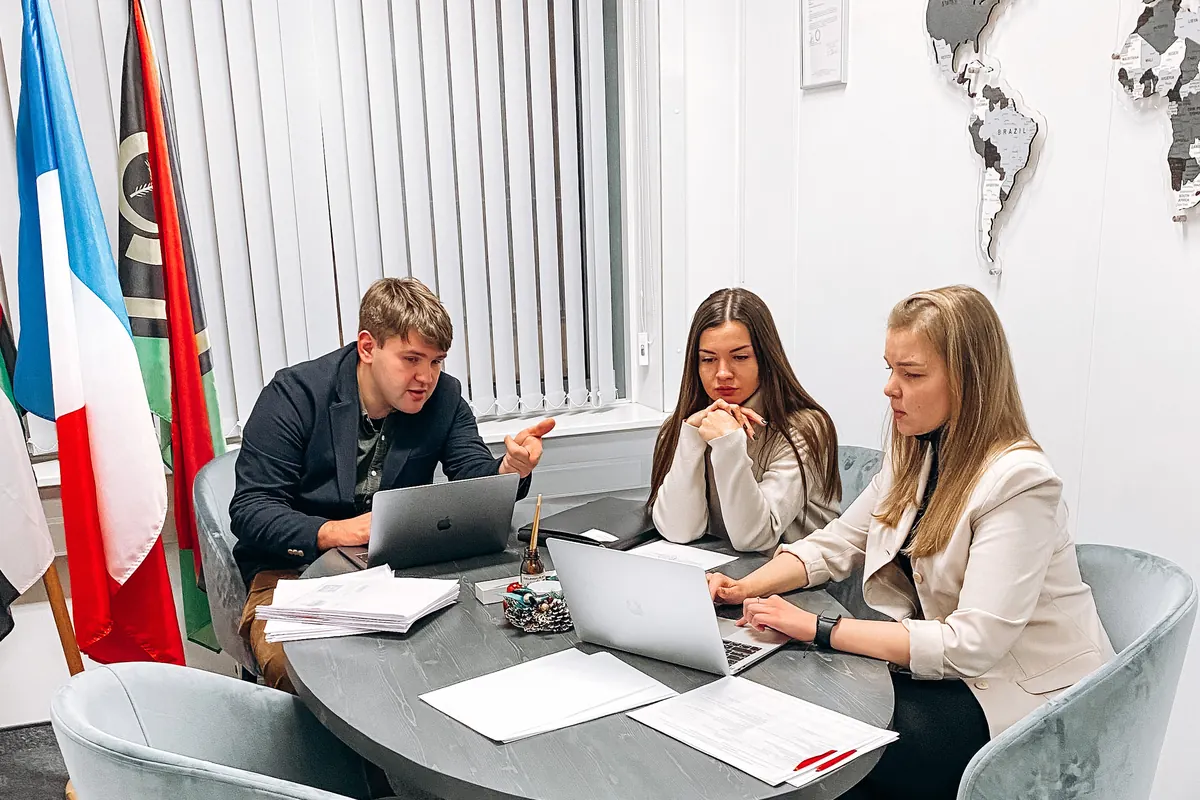
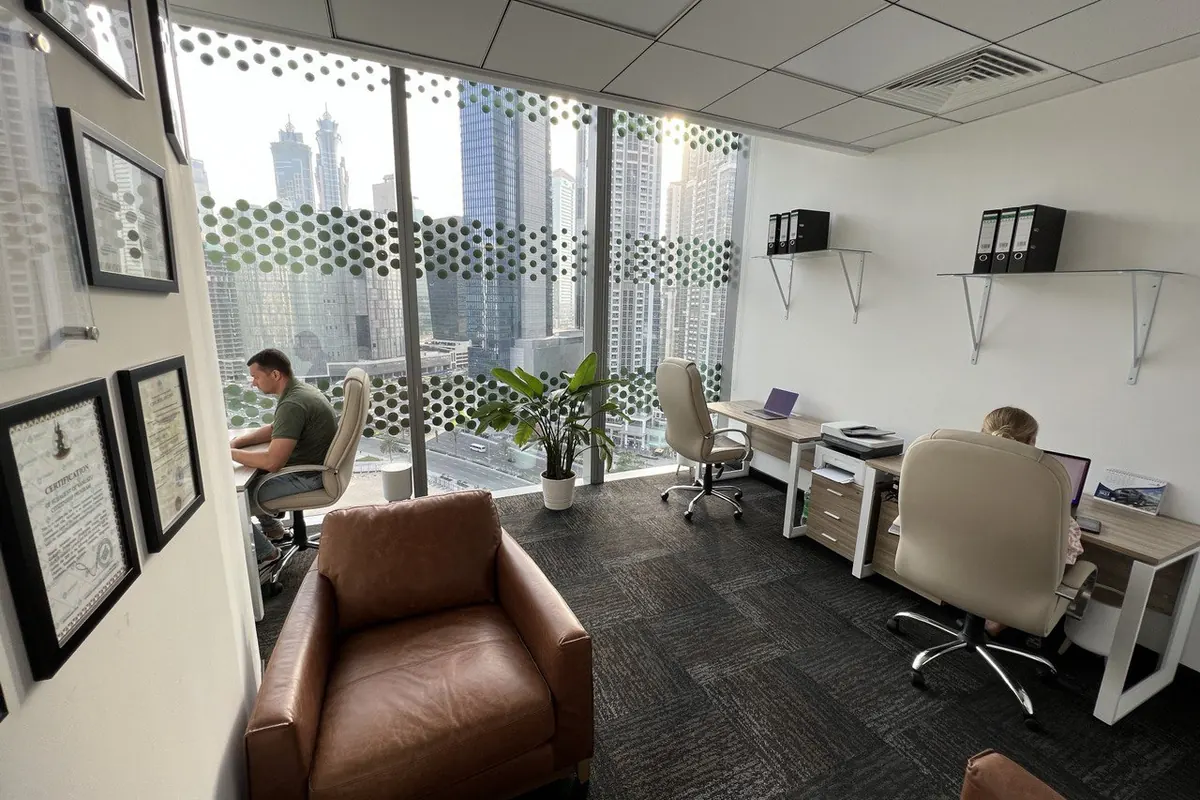
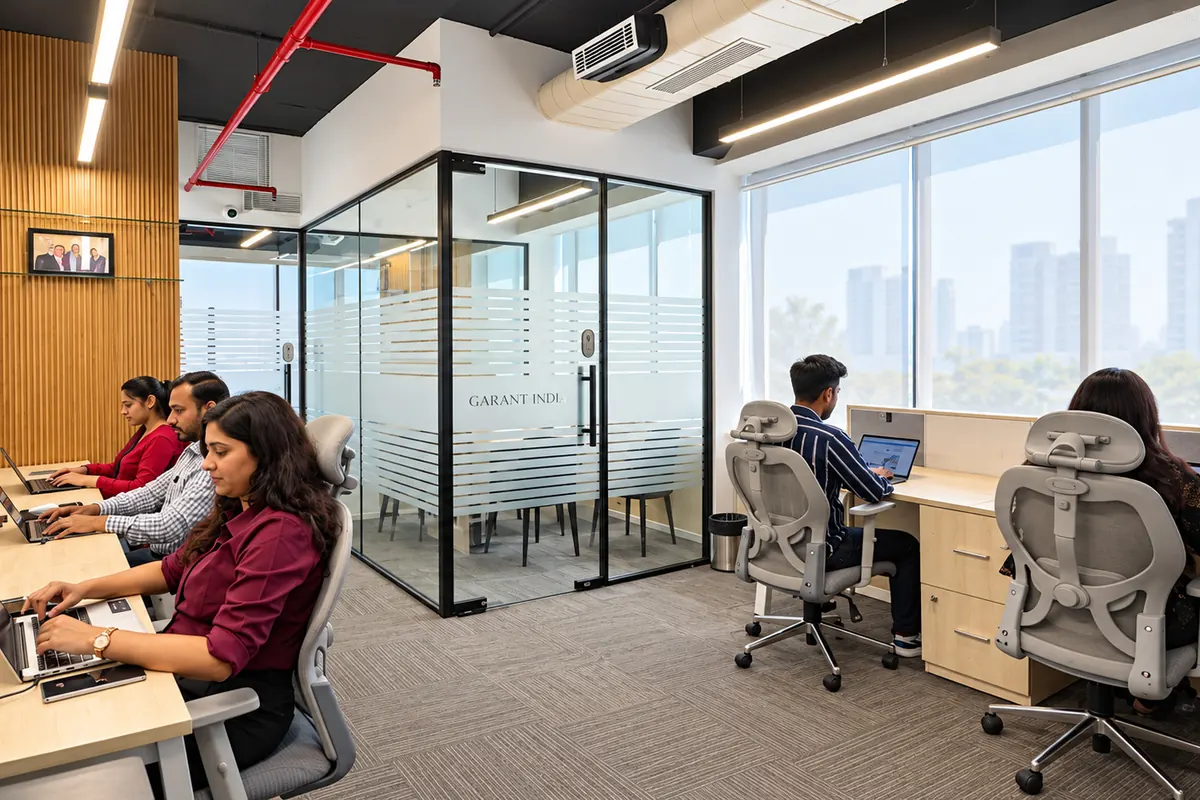
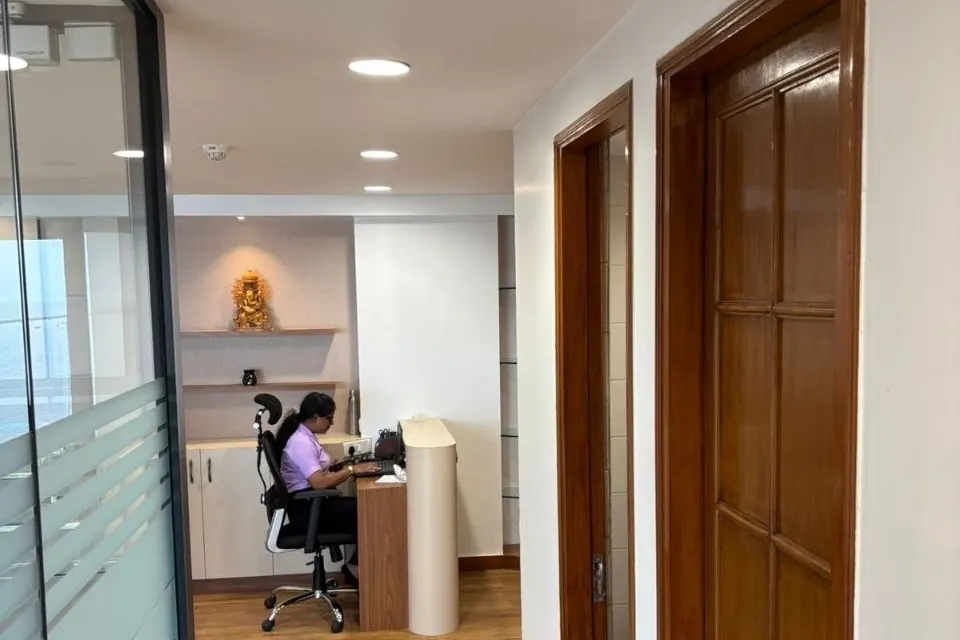
Moscow, Dubai, New Delhi and Mumbai. Visit an office and see who is working with you.

Garant IN is a member of the Investment Migration Council (IMC), the Geneva-based international association of the investment migration industry. investmentmigration.org →

Garant IN is a member of CCI France Russie, the French Chamber of Commerce and Industry in Russia. ccifr.ru →
International migration consultancy since 2015.
Two levels of quality control: Garant IN's migration consulting and case management department runs a rigorous pre-application compliance screening (Pre-Due Diligence) and prepares the document package to 2026 requirements, while the application in the Netherlands is prepared and filed together with licensed local lawyers and authorised agents. This is how we minimise the risk of refusal at the preparation stage, before the documents reach the government authority.
No. The scheme for wealthy foreign nationals investing in Dutch companies ran from 1 October 2013 and has been closed to new applications since 17 April 2024: according to the IND it was rarely used and did little for the economy. Existing permits can still be extended, but no new ones are issued. Today an investment counts only as part of your own business, under the self-employed route.
The IND's list of residence purposes has no separate permit for financially independent people. If you do not plan to run a business in the Netherlands, this route does not fit, and we will say so openly and suggest EU countries that do offer such a status.
The law sets no fixed amount. Investment in fixed and intangible assets made within the first year earns up to 40 points in the added-value area, with the maximum from €500,000. But points are needed in all three areas: money does not make up for a weak business plan or a lack of experience. If a Dutch bank finances the business, the financing criterion scores the full 50 points.
By law the IND decides within 90 days. If RVO advice is requested, the period may be extended by a maximum of 6 months, and longer if the application is incomplete. After the decision you must book the MVV appointment within 3 months; the MVV is valid for 90 days. We do not promise ‘one-month’ timelines.
Start-up is for an early-stage entrepreneur with an innovative product: you need a contract with an RVO-listed facilitator, a step-by-step plan and funds in a Dutch account for up to 1 year. Self-employed is for a business that can already be scored under the points system. After a successful start-up year you can switch to self-employed: the application costs €423, and the facilitator's declaration that mentoring was successfully completed is taken into account in the RVO points system.
The main applicant only if the employer obtains a work permit (TWV) for them. After 5 years of work in the Netherlands the TWV is no longer required. Family members may work freely: their card says ‘free to work’.
The IND may conclude that you have moved your main residence if you spend more than 6 continuous months abroad in a calendar year, or more than 4 continuous months three years in a row and move the centre of your activities abroad. The consequence is withdrawal of the permit or a refused extension. We plan for this in advance.
Permanent residence is possible after 5 years of continuous residence on a non-temporary permit, with sufficient income and a civic integration exam at level A2. Naturalisation also requires 5 years of continuous residence, the A2 exam and, as a rule, giving up your previous nationality; there are exceptions, which we check before filing. India does not allow dual citizenship, so naturalisation means giving up the Indian passport.
Not for the self-employed permit itself. A partner from most non-EU countries must pass the Civic Integration Exam Abroad before the MVV. Permanent residence and naturalisation require a civic integration exam at level A2 or an exemption.
You apply at the Dutch embassy or consulate in your country of nationality or in the country where you have legally lived for more than 3 months on a residence permit — so a UAE resident can apply in the UAE. If there is no Dutch mission there, you use the nearest one. Documents must be legalised and translated into Dutch, English, French or German.
That the conditions still apply: the business is active, profit meets the IND standard and the invested capital remains in the company. The IND asks for annual accounts and a balance sheet or income statement. Changes in your situation must be reported to the IND even between extensions, or you risk a fine.
Not as ordinary family members. Children under 18 receive a residence permit to stay with a parent. For adult children and parents, IND rules provide no separate route: what remains is an application under Article 8 of the European Convention on Human Rights, which the IND assesses individually and, in its own words, almost never grants. Parents can visit on a Schengen visa.
The standard rises from €1,766.77 gross profit a month for a single applicant to €2,523.96 with a partner or children (IND standards including holiday allowance for 1 July – 31 December 2026). It does not rise for each additional child. On a first application the income is shown through the business plan; on extension, through actual profit.
Yes. If the application is refused through the fault of our team or an error in building the case, we refund the company's service fee less a minimal retention for costs actually incurred. Refund terms, the payment schedule and the rules on retaining service costs are fixed in the contract before work begins. Before we start, we check your documents and risk history free of charge and tell you about any risks in advance.
Message us in the messenger you prefer and you will receive an estimate for your family and route. We never message first: you send the first message.
Our fee depends on the business plan and family composition. We send the quote in reply to your message.
Programme updates and case breakdowns in our channels.
Figures and conditions on this page are checked against legislation and official pages. Last verified: .
Page updated: