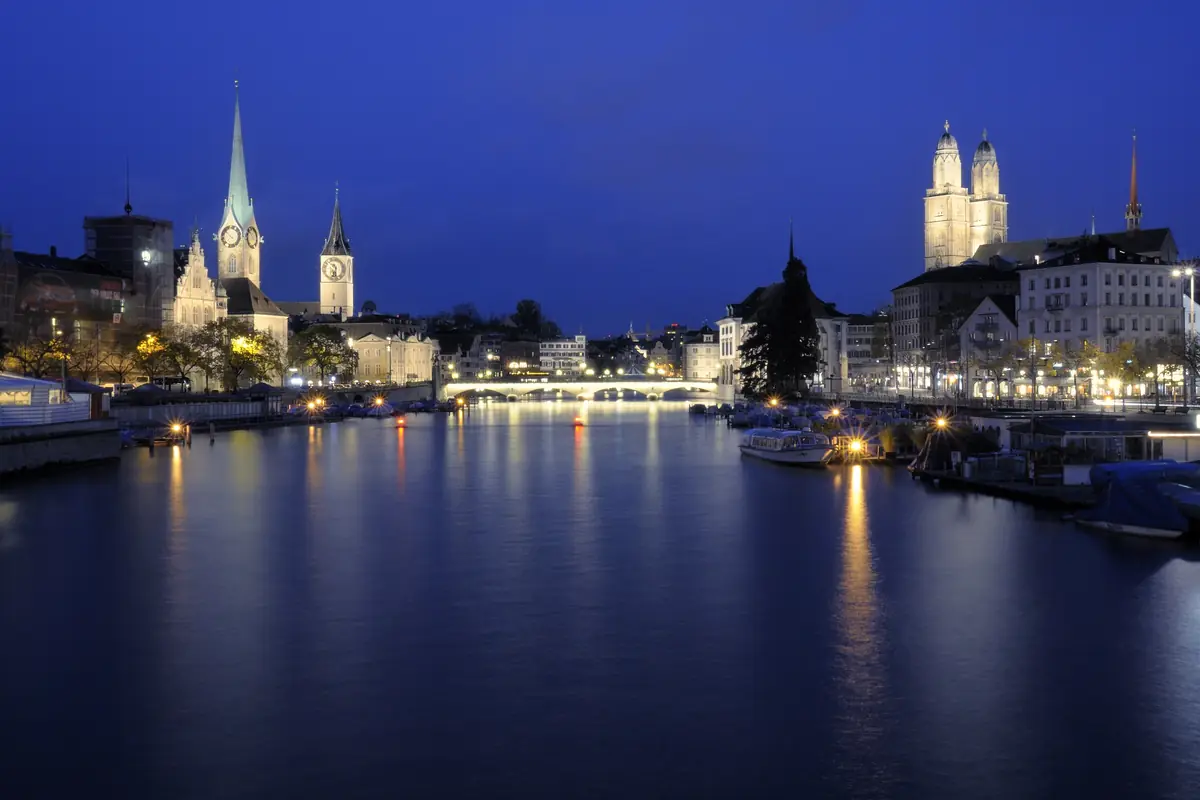
Tax on expenditure, not on income
Worldwide income and assets abroad are not declared line by line: the base is the living costs agreed with the canton. The tax is predictable years ahead.
A Swiss residence permit for wealthy foreign nationals who do not work in the country: instead of income tax on worldwide income, a tax on expenditure (the lump-sum regime) agreed with the canton. The law requires no investment in property, funds or business: the legal basis for residence is the canton's substantial fiscal interest. A B permit for one year with renewals, a permanent C permit after 10 years. This is residence, not citizenship: the Indian passport stays untouched.
Facts verified October 8, 2026 against official sources · Sources
Facts verified October 8, 2026 against official sources · Sources
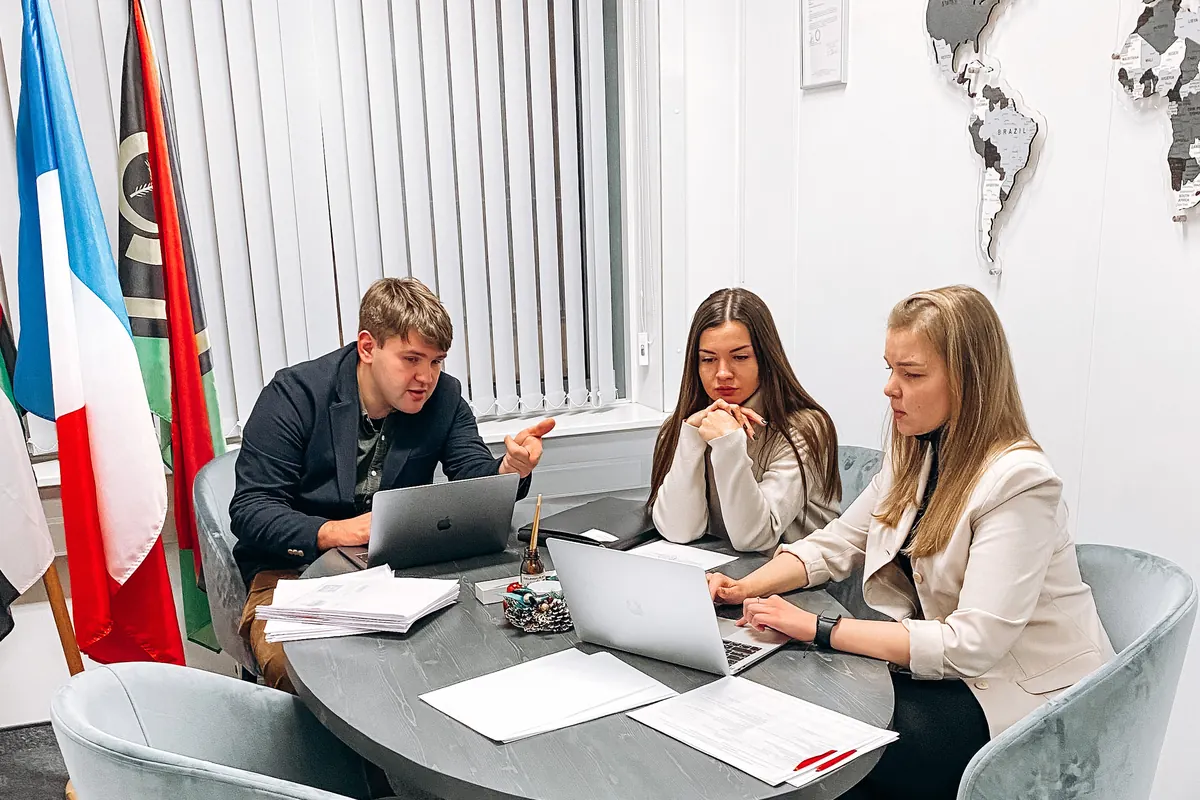
Owner, regional partners, the migration consulting and case management department and senior experts. These are the people you will speak to on the phone and meet in the office.
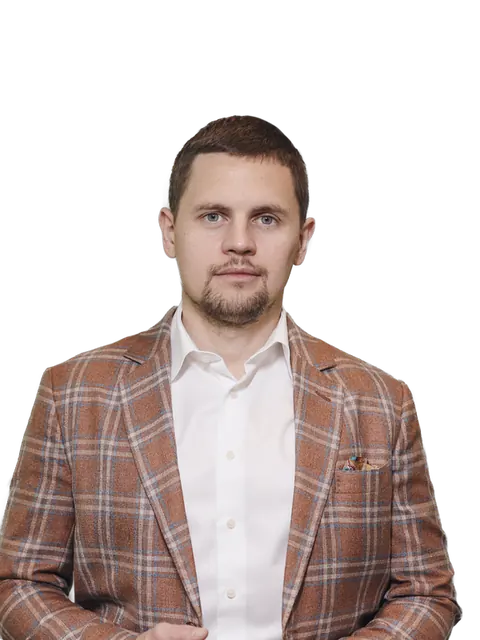
Founder & Managing Partner
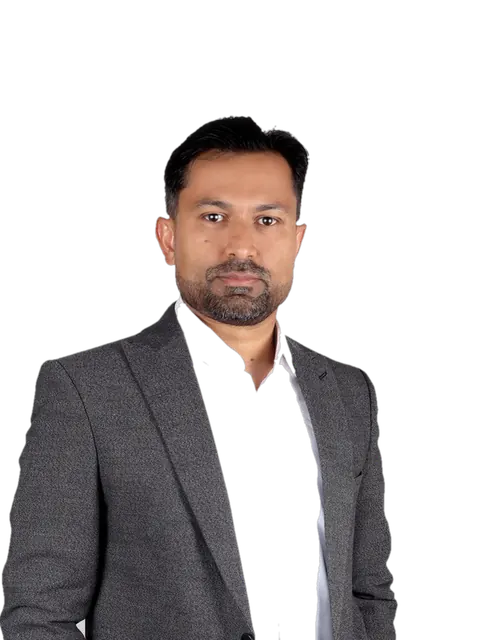
Partner, Middle East & MENA Region
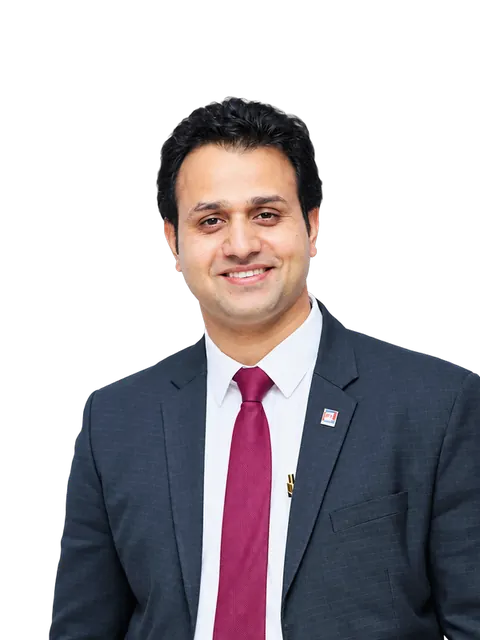
Managing Director, India & South Asia
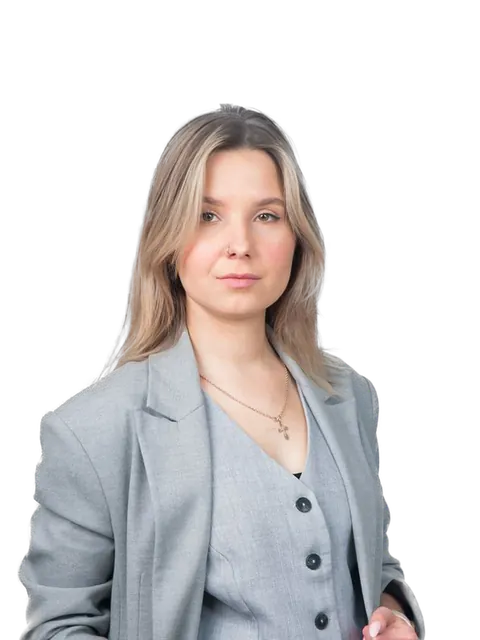
Partner, Russia & CIS Region
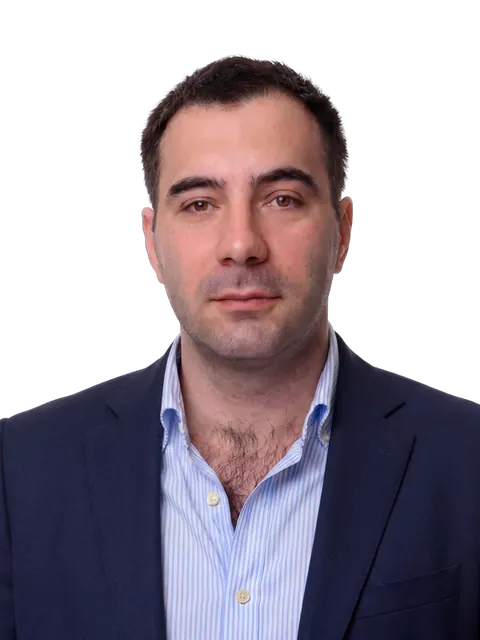
Head of Migration Consulting & Case Management
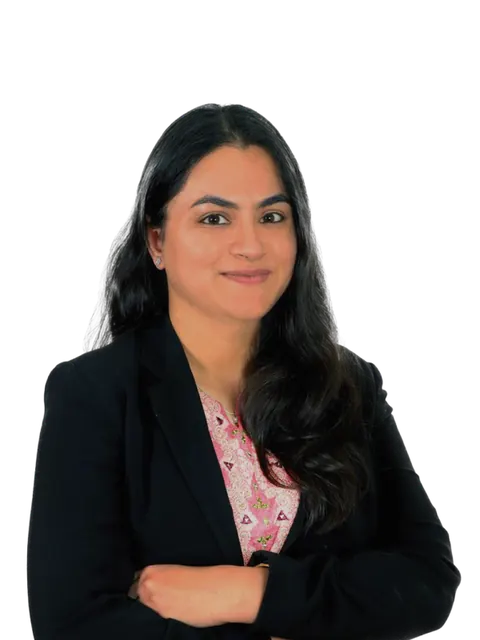
Immigration & Compliance Specialist
Worldwide income and assets abroad are not declared line by line: the base is the living costs agreed with the canton. The tax is predictable years ahead.
Swiss law does not require you to buy property, place money in a fund or open a business for this regime. The basis is the canton's fiscal interest, not a transaction.
The spouse and minor children receive residence through family reunification; their costs go into the same tax base, with no separate minimum per person.
With a Swiss residence permit you enter the other Schengen countries without a visa and spend up to 90 days there in any 180 days.
Years on a B permit count: a permanent C permit after 10 years, citizenship with a C permit and 10 years of residence.
This is a residence permit and a tax regime, not citizenship. The Indian passport is unaffected, and a canton is chosen for the family's budget, schools and language, not for an advertised rate.
Facts verified October 8, 2026
| Federal minimum base (2026) | CHF 435,000 a year Art. 14 para. 3 (a) DBG, FDF indexation from 1 January 2026; CHF 434,700 in 2025 |
|---|---|
| Housing minimum | 7 × annual rent or the rental value of an owned home; 3 × boarding cost for those without their own household |
| Tax rate | Ordinary scale federal, cantonal and communal tax on the agreed base; the canton decides how wealth tax is covered |
| Cantonal minimum base | Per canton set by cantonal law (Art. 6 para. 3 (a) StHG); stated after the canton is chosen and the tax authority's position obtained |
| Permit fees | Per cantonal tariff depends on the canton; confirmed on the filing date |
| Processing | No statutory term tax agreement, cantonal decision, SEM approval; practical timelines are not statutory |
Nationality, sources of income and wealth, family composition, preferred region. We exclude the cantons without the regime and estimate the base.
Request to the cantonal tax authority: living costs, seven times the rent and the control calculation. We obtain the canton's position on the agreed base.
Lease or purchase of a home, proof of means and source of wealth, insurance, apostilled police certificates, translations, justification of the canton's fiscal interest.
Application for a B permit under Art. 30 para. 1 (b) AIG. The canton decides and forwards the file to the SEM.
The SEM gives its approval (Art. 85 VZAE), the consulate issues a D visa; after entry, registration with the commune and biometrics for the B card.
Return under the lump-sum base, control of work restrictions, permit renewal. After 10 years, application for the C permit.
The official conditions are above. Below is how the regime works in real life, from our cases and research.
The regime makes sense only through a specific canton and family. The deemed-income figures quoted around it are a tax base, not necessarily the annual tax bill, and certainly not the price of a residence permit.
Five cantons have abolished lump-sum taxation; the others apply their own minimums. The regime comes with restrictions on professional activity in Switzerland, for the second spouse too.
Beyond the tax calculation, a separate legal basis for residence is required, especially for nationals of countries outside the EU and EFTA, which includes Indian nationals. We start with a preliminary position from the cantonal authorities.
Tax, housing, healthcare and daily costs must add up to an acceptable total: one attractive rate does not show the real cost of the move.

Switzerland's expenditure-based tax regime — often called lump-sum taxation — should be assessed through the specific canton and the family's profile. The deemed-income figures quoted around it are a tax base, not necessarily the annual tax bill, and certainly not the price of a residence permit.
The regime is not available everywhere and comes with restrictions on professional activity in Switzerland. Beyond the tax calculation, a separate legal basis for residence is required — especially for citizens of countries outside the EU and EFTA, which includes Indian nationals.
We start with a preliminary position from the cantonal authorities and a full family budget. Tax, housing, healthcare and daily costs must add up to an acceptable total: one attractive rate does not show the real cost of the move. As with the other European routes here, this is residence rather than citizenship — the Indian passport is not at stake — but the commitment is significant and only worth it for families who will genuinely live there.
| Permit on the canton's fiscal interest | Retiree permit (Art. 28 AIG) | |
|---|---|---|
| Legal basis | Art. 30 para. 1 (b) AIG, Art. 32 para. 1 (c) VZAE | Art. 28 AIG, Art. 25 VZAE |
| Age | No limit | 55 and over |
| Ties to Switzerland | Not required; the centre of life must move to the country | Required: earlier stays, close relatives; property does not count |
| Work | Abroad only; managing your own assets | Nowhere, except managing your own assets |
| Tax | Lump-sum regime agreed with the canton | Lump-sum regime under the same Art. 14 DBG conditions |
| Decision | Canton + SEM approval | Canton + SEM approval |
| Family | Spouse and children under 18 under Art. 44 AIG | Spouse and children under 18 under Art. 44 AIG |
Conditions under the AIG and VZAE as in force in 2026 and the SEM Directives (as at 15 June 2026); re-checked on the filing date.
Coverage and expert commentary by Garant IN in business media.

You can't leave, you can't stay: how to prepare for obtaining a residence permit and French citizenshipRead on Forbes →

No French, No civic test: France’s exam‑free Visiteur visa Indian HNIs are quietly using as a first step to EU residencyRead on The Economic Times →

Is Dubai’s Property Market Cracking? Middle East conflict hits sales, delays projects and softens pricesRead on Financial Express →

Global Lens I U.S. President Donald Trump's Golden Card Visa: How Can Indians Tap This Programme?Watch on CNBC-TV18 →

Golden visa schemes are response to conflicts, Trump’s decisions on U.S. citizenship: Dubai-based immigration expertRead on The Hindu →

Is Dubai still a safe haven for investors, HNIs despite US-Iran conflict?Read on Business Standard →

Coverage in Moneycontrol: Amid US uncertainty, HNIs choose Caribbean, Gulf, EU residency programmesRead on Moneycontrol →

France, Italy or Grenada? Financial independence can get you settled there with freedom to roam world!Read on PTI →

Why India's wealthy are quietly buying second residencies abroadRead on India Today →
Who this programme suits in our practice.
You receive dividends and income from companies outside Switzerland and do not plan to work in the country. Tax is calculated on expenditure, not on worldwide income; a paid position in a Swiss company already breaks the regime.
You live on income from capital and property. Swiss sources, such as dividends of Swiss companies, property in the country and income on which treaty relief is claimed, enter the control calculation and can raise the tax.
Earlier long stays, studies or close relatives in the country open the retiree route under Art. 28 AIG. Owning property does not count as a tie.
Indian, UAE and other non-EU nationals need a separate legal basis for residence, which is what this page is about. For Indian families the attraction is that the passport is not at stake: it is residence, not citizenship.
Our fee depends on the canton and the family composition. We send the quote in reply to your message.
Main applicant
Fees of licensed local lawyers and authorised agents are charged separately at their rates
Request a quoteApplicant with spouse and children
Fees of licensed local lawyers and authorised agents are charged separately at their rates
Request a quoteFor Garant IN the family is a core value: residence is arranged for your relatives together with you under the AIG family reunification rules (Art. 44 and 47), and the tax regime covers the whole family's expenditure. Below are the 2026 conditions from the law, without generic phrases.
The spouse receives a permit through family reunification (Art. 44 AIG): living together, adequate housing, no social assistance, a conversational command of the local language or registration for a language course at first issue. For the lump-sum regime both spouses must meet the conditions: no Swiss citizenship and no work in Switzerland (Art. 14 para. 2 DBG). A registered partnership is treated as marriage; an unregistered partner has no right to reunification.
Unmarried children under 18 join you at the same time or later, with no language requirement. The deadline for reunification is 5 years, and 12 months for children over 12, counted from the issue of your permit (Art. 47 AIG); after that only for important family reasons. Adult children are not covered by Art. 44 and need their own legal basis.
The law gives B permit holders no right to reunification with parents. Parents aged 55 and over may consider their own retiree permit (Art. 28 AIG) with special ties to Switzerland and sufficient means, or their own lump-sum agreement. We do not promise this; we check it canton by canton, including for the multi-generation households we often see from India.
The expenditure base includes the costs of everyone you support, including abroad (ESTV Circular No. 44, section 3.2): schools, housing, staff, travel. The CHF 435,000 minimum and seven times the rent apply per household, not per person; the spouse's and children's costs paid from their own funds also go into the base. The family needs insurance and proof of means without social assistance. For India-resident families the funding of living costs from abroad is planned within the LRS framework.
Filing is together with the main applicant or later within the Art. 47 AIG deadlines; the canton decides on the family with SEM approval. Garant IN's migration programme experts check each family member's documents in advance to rule out a refusal for an individual applicant. Verified on 2 October 2026 against the AIG, VZAE, DBG and ESTV Circular No. 44.
The law is the same for everyone. The difference is the canton, the base calculation and how honestly the full cost of the move was worked out before the agreement was signed.
We request a preliminary position from the cantonal tax authority and the migration office before assembling the dossier: which canton will accept, what base it will agree, how it views the source of wealth.
The deemed-income figures quoted around the regime are a tax base, not the annual tax bill and not the price of the status. We calculate the actual tax under the cantonal and communal scale, wealth tax and the control calculation on Swiss-source income.
Tax, housing, healthcare and daily costs are added into one figure: one attractive rate does not show the real cost of the move.
We work out which of your activities are permitted (managing assets) and which break the regime (paid positions in Switzerland), for both spouses.
We explain the SEM's current position, Switzerland's reputational interest and the realistic chances in a specific canton before you spend time and money. For India-resident families we also plan how living costs are funded from abroad.
Wording pending approval.
Lump-sum taxation is the everyday name. In the law it is taxation on expenditure (Besteuerung nach dem Aufwand, imposition d’après la dépense): a foreign national who moves to Switzerland and does not work in the country pays tax not on worldwide income but on an amount of annual living costs agreed with the canton. The regime has existed at federal level in its current form since 1 January 2016 and in the cantons that have kept it.
Three kinds of applicants choose it. First, owners of businesses outside Switzerland who live on dividends and manage their companies remotely. Second, rentiers and investors with income from capital and property outside the country. Third, families who choose Switzerland as a place to live and educate their children and are ready to move the centre of their life there, not merely to hold a card. For Indian families it has the advantage of every residence route: the Indian passport stays.
It does not suit anyone who plans to work in Switzerland, including paid positions in Swiss companies, or anyone looking for ‘residence by investment’ at a fixed price: there is no investment and no single price here, only a tax agreement with the canton and a discretionary decision on residence.
The first permit is for 1 year, renewal under the ordinance for 2 years (Art. 58 VZAE) while the conditions hold: the tax agreement in force, no work in Switzerland, the centre of life in the country. The canton takes integration into account on renewal.
After 10 years with a permit, the last 5 of them uninterrupted, and with integration (Art. 34 para. 2 AIG); with a good command of the local language already after 5 years (para. 4). The C permit is indefinite and unconditional.
Ordinary naturalisation requires a C permit and 10 years of residence, 3 of them in the last 5 before filing (Art. 9 BüG); years between the ages of 8 and 18 count double. Cantonal and communal requirements apply on top. Naturalisation ends the lump-sum regime, and for Indian citizens it would mean giving up the Indian passport.
Decide to work in Switzerland and you move to ordinary taxation and another permit type; as a rule there is no way back to the lump-sum regime after giving it up.
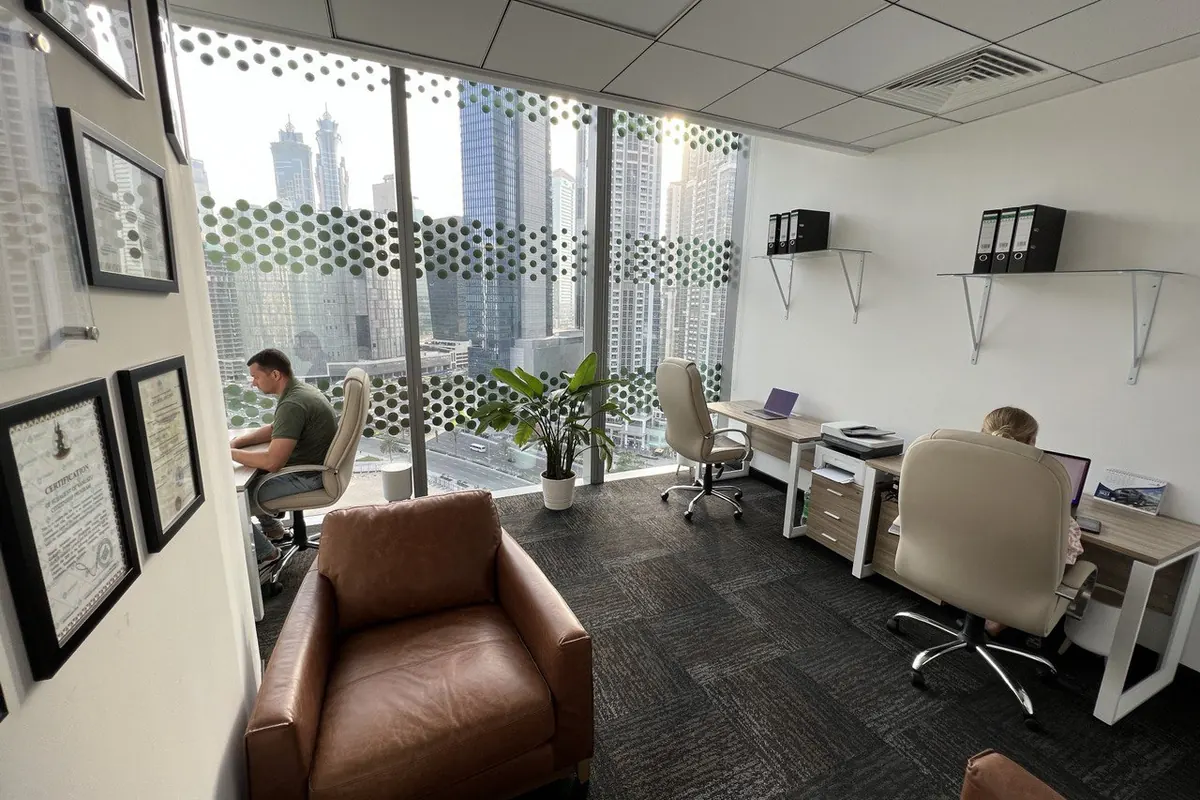
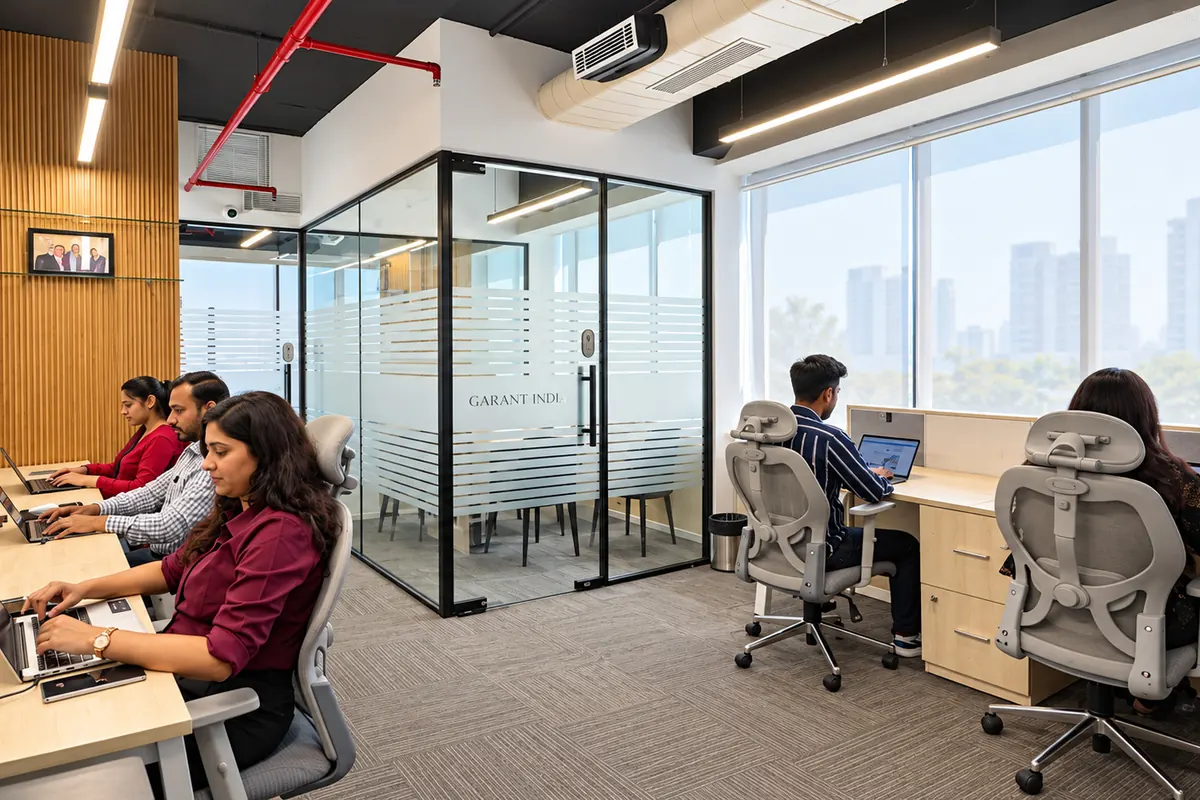
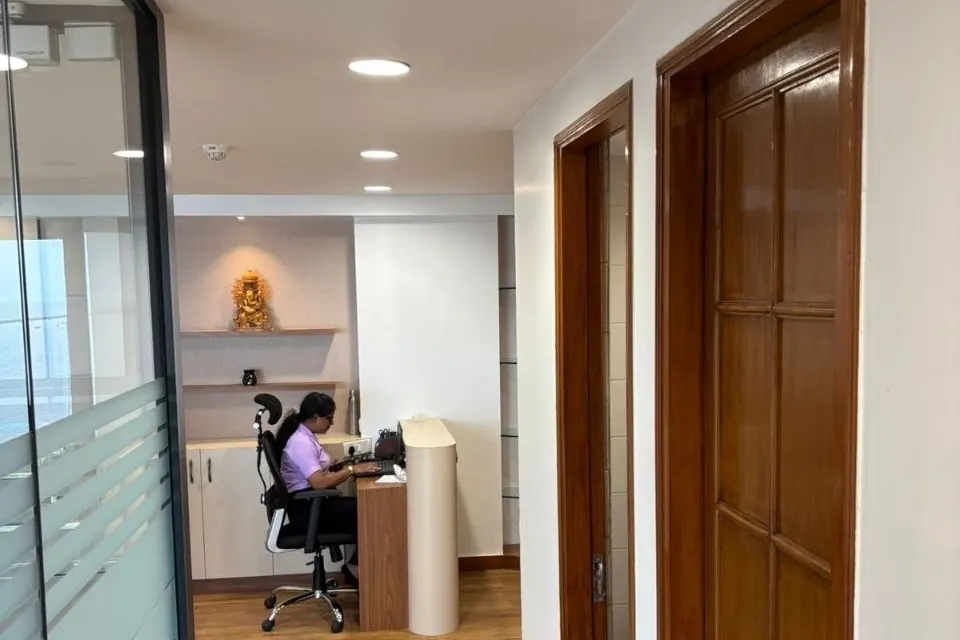
 4 offices
Moscow, Dubai, New Delhi and Mumbai. Visit an office and see who is working with you.

Garant IN is a member of the Investment Migration Council (IMC), the Geneva-based international association of the investment migration industry. investmentmigration.org →

Garant IN is a member of CCI France Russie, the French Chamber of Commerce and Industry in Russia. ccifr.ru →
International migration consultancy since 2015.
Two levels of quality control: Garant IN's migration consulting and case management department runs a rigorous pre-application compliance screening (Pre-Due Diligence) and prepares the document package to 2026 requirements, while the application in Switzerland is prepared and filed together with licensed local lawyers and authorised agents. This is how we minimise the risk of refusal at the preparation stage, before the documents reach the government authority.
It is a tax regime under Art. 14 DBG: a foreign national who does not work in Switzerland pays tax not on worldwide income but on an agreed amount of living expenditure. The law requires no investment, property purchase or fund contribution. The residence permit is a separate step, granted on the basis of the canton's substantial fiscal interest (Art. 30 para. 1 (b) AIG); it is a cantonal decision, not a purchase of status.
The base is not less than the highest of three figures: CHF 435,000 (the 2026 federal minimum), seven times the annual rent or rental value of the home, and the sum of Swiss-source income under the control calculation; the canton may set its own minimum higher. The ordinary federal, cantonal and communal scale is applied to the base, so the amount depends on the canton and the home. There is no single figure 'for all of Switzerland'; we calculate it for your canton and family.
No. Swiss law requires no investment in property, funds or business for this regime. You do need a home, rented or owned, and the minimum base of seven times its rent or rental value is calculated from it.
According to the Federal Department of Finance, lump-sum taxation has been abolished in Zurich, Schaffhausen, Appenzell Ausserrhoden, Basel-Landschaft and Basel-Stadt; Thurgau, St. Gallen, Lucerne and Bern kept it but tightened the rules. The remaining cantons apply their own minimum bases, which we state once the canton is chosen.
Not in Switzerland: any work in the country, including a paid board seat, ends the regime, and for both spouses. Managing your own assets is allowed. Under a permit on the fiscal-interest basis, work is possible abroad only (Art. 32 para. 2 VZAE).
A permit under Art. 30 para. 1 (b) AIG and Art. 32 para. 1 (c) VZAE: substantial cantonal fiscal interests. It is a discretionary decision: the canton assesses the interest and your move to the country, the SEM approves (Art. 85 VZAE). Applicants aged 55 and over may use the retiree permit under Art. 28 AIG, with special personal ties to Switzerland and sufficient means.
There is no statutory term. First the cantonal tax authority confirms the base, then the cantonal migration office decides and sends the file to the SEM for approval. In practice it takes months, depending on the canton and the completeness of the dossier; we will not promise 'two months'.
Yes. For the fiscal-interest permit you must show that the centre of your life has moved to Switzerland and that you spend most of your time in the country (SEM Directives, section 5.5); for the retiree permit renewal is refused if the centre of life turns out to be elsewhere. The lump-sum regime also presupposes tax residence in Switzerland. For Indian residents this means the Indian tax residency position must be reviewed at the same time.
The permanent C permit comes after 10 years with a permit, the last 5 uninterrupted, with integration; with a good command of the local language after 5 years (Art. 34 AIG). Citizenship requires a C permit and 10 years of residence, 3 of them in the last 5 (Art. 9 BüG), plus cantonal and communal conditions. Naturalisation ends the lump-sum regime, and for Indian citizens it would mean giving up the Indian passport.
There is no federal wealth tax, but the cantons levy one. Art. 6 para. 5 StHG leaves it to the cantons to decide how the lump-sum tax covers wealth tax, so some cantons build it into the base calculation. This is one of the points we fix in the preliminary agreement.
No. It is a residence permit and a tax regime, not citizenship, so the Indian passport stays. There is no investment to remit, but living costs, rent and tax are funded from abroad, and for India-resident applicants we plan those transfers within the LRS framework. Your Indian tax residency and the India–Switzerland tax treaty are assessed alongside the Swiss status before filing.
Passports, police certificates from the countries of residence in recent years with an apostille or legalisation (Indian documents apostilled by the Ministry of External Affairs; UAE documents legalised through the UAE Ministry of Foreign Affairs), proof of means and source of wealth, a lease or purchase contract, health insurance, marriage and birth certificates translated into the canton's language.
Not through reunification: Art. 44 AIG covers only the spouse and unmarried children under 18. Adult children and parents need their own legal basis: a retiree permit from age 55 with special ties to Switzerland, or a separate lump-sum agreement. We assess each person separately and in advance.
There are no separate minimums per family member: CHF 435,000 and seven times the rent are a minimum per household. But the base is the whole family's worldwide living costs, including children's schools abroad, staff and travel, plus the spouse's and children's costs paid from their own funds. The more the family spends, the higher the base; it cannot go below the minimum.
Yes. If the application is refused through the fault of our team or an error in building the case, we refund the company's service fee less a minimal retention for costs actually incurred. Refund terms, the payment schedule and the rules on retaining service costs are fixed in the contract before work begins. Before we start, we check your documents and risk history free of charge and tell you about any risks in advance.
Message us in the messenger you prefer and you will receive an estimate for your family and route. We never message first: you send the first message.
Our fee depends on the canton and the family composition. We send the quote in reply to your message.
Programme updates and case breakdowns in our channels.
Figures and conditions on this page are checked against legislation and official pages. Last verified: .
Page updated: