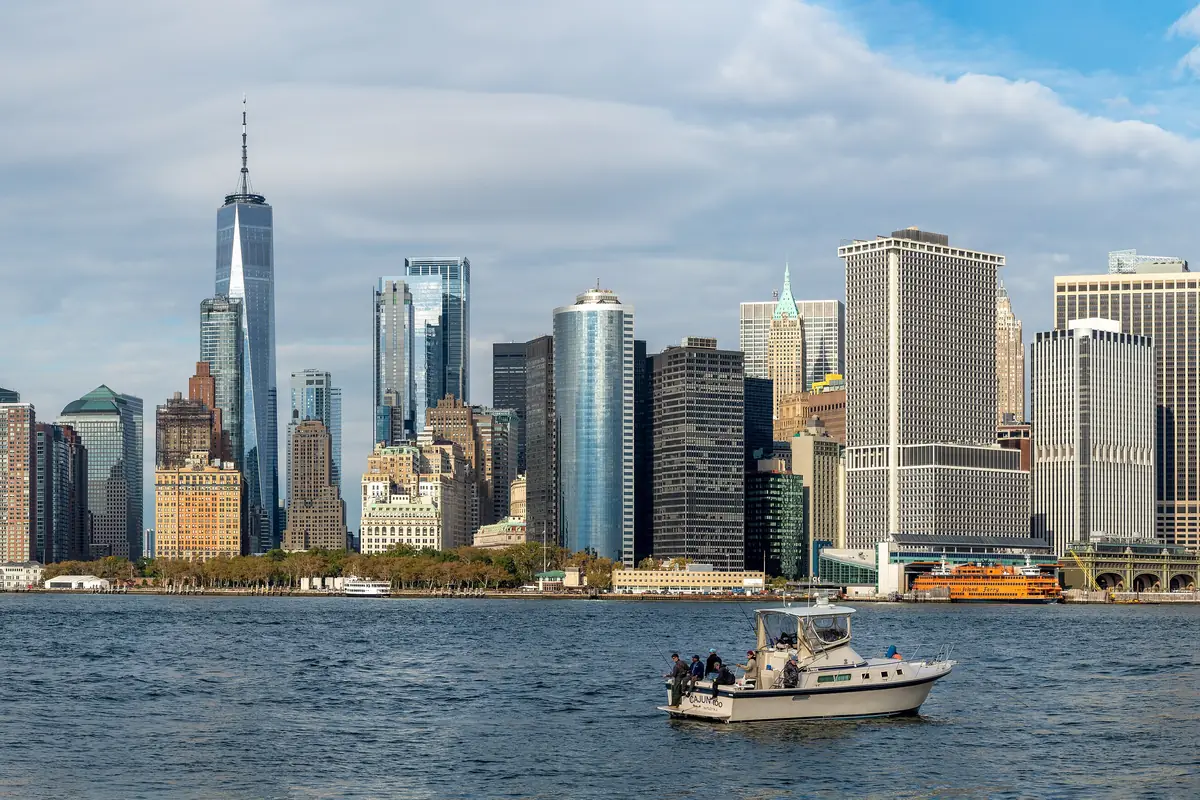
A green card for the whole family for one investment
The spouse and children under 21 receive the status with you. The investment does not depend on family size; only the fees grow.
Permanent residence in the United States through an investment from USD 800,000 in a project that creates 10 jobs. Green cards go to the investor, the spouse and children under 21: first conditional for 2 years, then permanent. It is an investment at risk: the law guarantees neither the return of the money nor the date of the green card, and we do not promise either. For India-born investors the Unreserved category has a backlog, which we plan around.
Facts verified October 8, 2026 against official sources · Sources
Facts verified October 8, 2026 against official sources · Sources
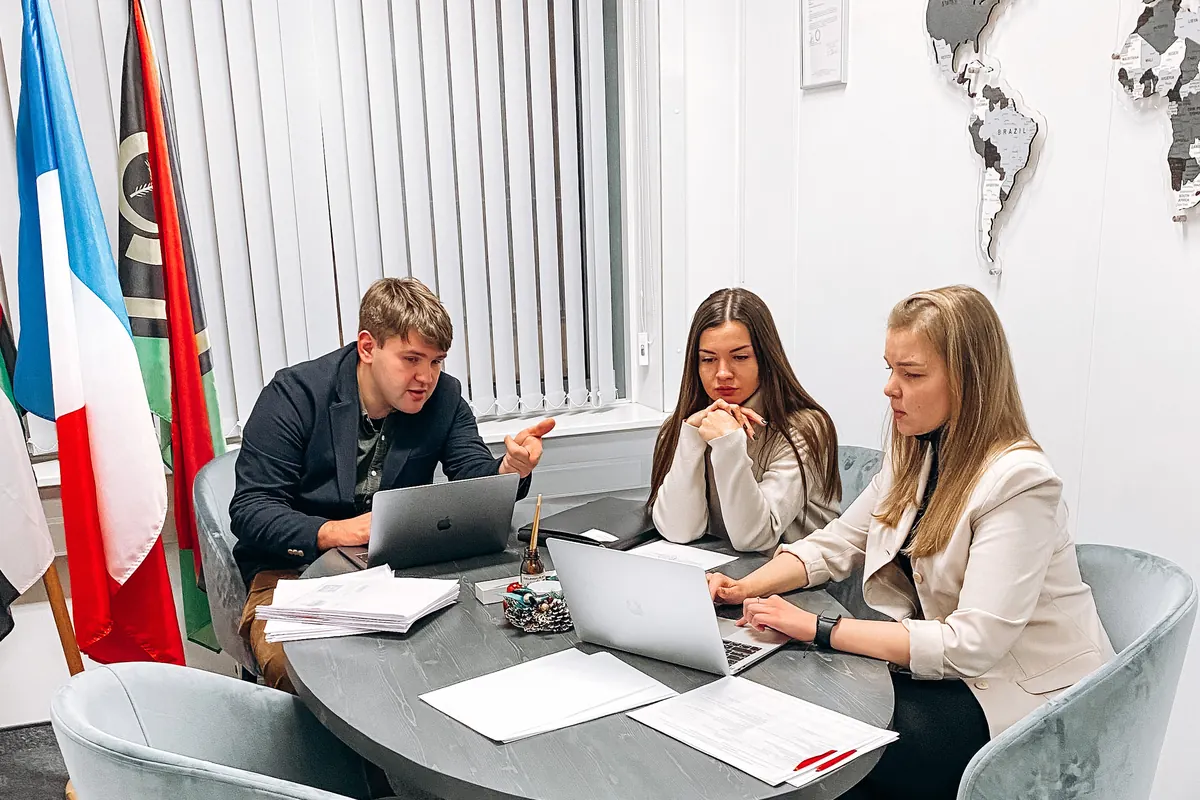
Owner, regional partners, the migration consulting and case management department and senior experts. These are the people you will speak to on the phone and meet in the office.

Founder & Managing Partner

Partner, Middle East & MENA Region
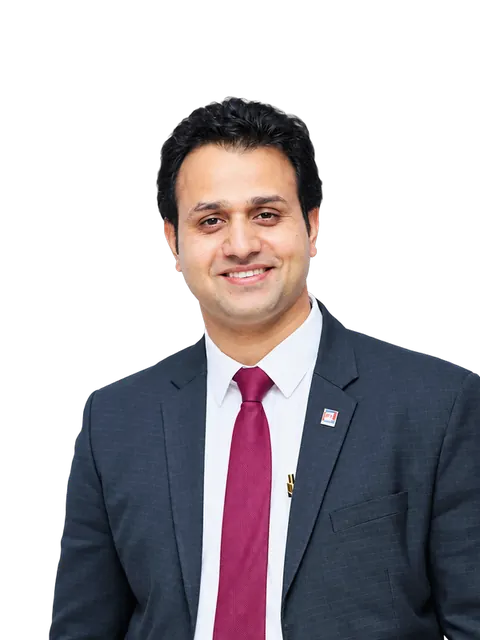
Managing Director, India & South Asia

Partner, Russia & CIS Region
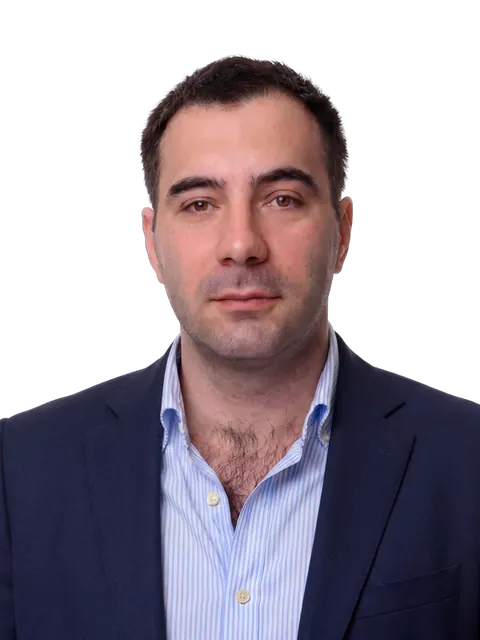
Head of Migration Consulting & Case Management
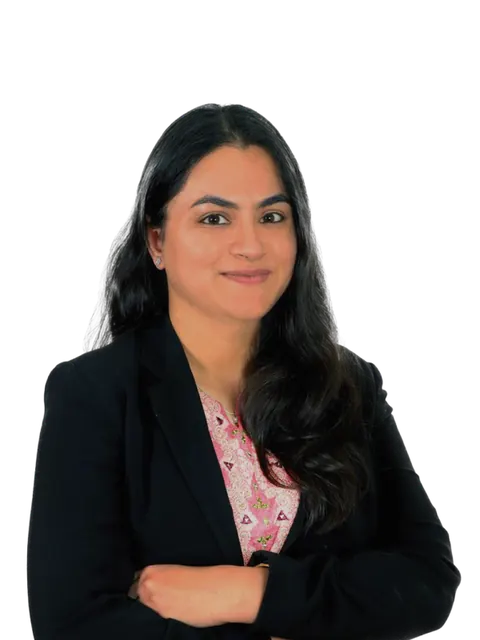
Immigration & Compliance Specialist
The spouse and children under 21 receive the status with you. The investment does not depend on family size; only the fees grow.
Through a regional centre you hire no staff and run no company: the project creates the jobs, including indirectly. A direct investment is for those who want their own business.
EB-5 needs no job offer, degree, English test or age cap, and no H-1B lottery. What matters is money with a proven origin and a suitable project.
With a green card you live and work in any state, start a business and study at resident tuition rates. Children enter universities as residents.
If you are in the US and a visa number is available, Form I-485 is filed with Form I-526E, and separate EAD and Advance Parole applications allow you to work and travel while the case is pending.
After 5 years as a permanent resident you may file Form N-400 for naturalisation. It is a separate procedure with its own residence conditions, and India does not permit dual citizenship.
Facts verified October 8, 2026
| Investment (TEA or infrastructure) | USD 800,000 at risk; standard threshold USD 1,050,000; adjusted from 1 January 2027 |
|---|---|
| Form I-526E (regional centre) or I-526 | USD 3,675 until 29.11.2026 / from 30.11.2026 — USD 7,850 (I-526E) or USD 7,615 (I-526) plus USD 1,000 to the EB-5 Integrity Fund with an initial I-526E (USD 1,100 from 30.11.2026); fee schedule G-1055 of 1 October 2026 and the DHS Final Rule of 30 September 2026 (91 FR 61940); the new fees apply to petitions postmarked on or after 30.11.2026 |
| Adjustment of status in the US (Form I-485) | USD 1,440 online USD 1,390; a child under 14 filing with a parent USD 950; per family member |
| EAD and Advance Parole with I-485 | USD 260 + USD 630 I-765 USD 260, I-131 USD 630 (online USD 580); each form paid separately |
| Consular route (DS-260) | USD 345 per family member; plus the USCIS Immigrant Fee of USD 235 per person after the visa is issued |
| Removal of conditions (Form I-829) | USD 3,750 until 29.11.2026 / USD 5,000 from 30.11.2026 one petition for the investor, spouse and children; in the 90 days before the conditional green card expires; new amount under the DHS Final Rule of 30 September 2026 |
| Regional centre administrative fees | per project no fixed amount; disclosed in the project documents, which we check before signing |
| Processing time | per USCIS no premium processing; the queue by country of birth is in the Visa Bulletin |
We check the origin of the capital, the country of birth and the queue, the family and admissibility. We decide: regional centre or direct investment, and how the remittance from India is structured.
Due diligence on the project and the regional centre: an approved Form I-956F, the deal structure, the jobs, the exit terms. The decision is yours, as with any investment.
Transfer of funds on the project’s terms, the source-of-funds dossier, filing of Form I-526E (USD 3,675 + USD 1,000; from 30.11.2026 USD 7,850 + USD 1,100). If you are in the US with a visa number available: Forms I-485, I-765 and I-131 at the same time.
No premium processing. We track the decision on Form I-526E and the visa number in the Visa Bulletin for your country of birth and category. USCIS requests are answered on time.
Abroad: Form DS-260 (USD 345) through the National Visa Center and an interview at the US consulate in Mumbai, then the USCIS Immigrant Fee of USD 235. In the US: completion of Form I-485. The status is conditional, for 2 years.
Form I-829 (USD 3,750; from 30.11.2026 USD 5,000) with evidence of the investment and the jobs; the status is extended automatically until the decision. Then the permanent green card, and after 5 years as a resident Form N-400.
The official conditions are above. Below is how the programme works in real life, from our cases and research.
In the September 2026 Visa Bulletin the Unreserved category for India was Unavailable, while the set-asides, including Rural, were Current. These are different categories of one programme. Current means visa numbers are available now, not that no queue will ever form.
For those entitled to file Form I-485, separate EAD and Advance Parole applications can allow working and travelling during the wait, independently of an H-1B employer. Filing through a consulate abroad does not work the same way.
An investment from USD 800,000 (the threshold for petitions filed by the end of 2026; from 1 January 2027 the amounts are adjusted for inflation by law) remains at risk and can be locked up for years. You choose the project; we help you review its documents as a stand-alone investment deal and separate the immigration result from the project's result.
USD 800,000 far exceeds one person’s annual LRS limit, so the remittance is structured first: across family members, financial years or from funds already held abroad, with TCS factored in. Without this plan the project cannot be funded on time.

In the September 2026 Visa Bulletin, the EB-5 Unreserved category for India is marked Unavailable — the India backlog sits in this category — while the reserved set-aside categories, including Rural, remain Current. These are different categories of one programme. Current means visa numbers are available now; it does not mean no queue will ever form, and analysts expect set-aside demand to build.
For those entitled to file Form I-485 inside the US, separate applications for a work permit (EAD) and travel permission (Advance Parole) can allow working and travelling during the wait. Around ten months is an estimate from our research, not a guaranteed term; filing through a consulate abroad does not work the same way.
The investment from USD 800,000 in a qualifying project remains at risk and can be locked up for years. For India-resident investors it also far exceeds one person's annual LRS limit of USD 250,000, so the remittance itself needs structuring — across family members, financial years, or from funds already held abroad, with TCS factored in. We review the project as a stand-alone investment deal: neither the return of the money nor the green-card date can be promised.
| EB-5 | L-1A | |
|---|---|---|
| Basis | Investment in a new commercial enterprise | Transfer of an executive to a related US company |
| Amount | USD 800,000 (TEA) or USD 1,050,000 | No fixed amount; USCIS assesses the investment |
| Status | Conditional green card for 2 years, then permanent | Work visa: 1 or 3 years, up to 7 years |
| Decision time | No premium processing; USCIS times and the Visa Bulletin | 15 business days with premium processing |
| Your role | Can be passive, through a regional centre | You run the business |
| Family | Green cards for the spouse and children under 21 | L-2: spouse works, children under 21 study |
| Main risk | Capital at risk, return not guaranteed; India backlog in Unreserved | If the business does not launch, the status is not extended |
L-1 is covered in detail on a separate page. Figures are verified on the date of filing.
Coverage and expert commentary by Garant IN in business media.

You can't leave, you can't stay: how to prepare for obtaining a residence permit and French citizenshipRead on Forbes →

Are you safe from Trump's $100,000 H-1B visa hit? Check hereRead on The Economic Times →

H-1B visa program targeted as US lawmakers move to close loopholesRead on Financial Express →

Global Lens I U.S. President Donald Trump's Golden Card Visa: How Can Indians Tap This Programme?Watch on CNBC-TV18 →

Golden visa schemes are response to conflicts, Trump’s decisions on U.S. citizenship: Dubai-based immigration expertRead on The Hindu →

Trump 'Gold Card' visa: America's image at risk as elitism overtakes talentRead on Business Standard →

Coverage in Moneycontrol: Amid US uncertainty, HNIs choose Caribbean, Gulf, EU residency programmesRead on Moneycontrol →

France, Italy or Grenada? Financial independence can get you settled there with freedom to roam world!Read on PTI →

Why India's wealthy are quietly buying second residencies abroadRead on India Today →
Who this programme suits in our practice.
You are ready to commit USD 800,000 for several years and do not want to run a business in the US. The regional centre route: the project is chosen as an investment, and you remain a passive participant. For Indian residents the remittance itself is structured under LRS before anything else.
If a visa number is available, Form I-526E is filed together with Form I-485 for adjustment of status, and separate EAD and Advance Parole applications allow you to work and travel while the case is pending, independently of the H-1B employer.
Children under 21 receive the green card with you. Under the CSPA the child’s age is frozen while Form I-526E is pending; we calculate whether the child makes it, which matters with the India backlog.
A direct investment in your own new commercial enterprise: 10 jobs created directly, without a regional centre. For those ready to genuinely run a business.
Our fee depends on the route (regional centre or direct investment) and the family composition. We send the quote in reply to your message.
Main applicant
Fees of licensed local lawyers and authorised agents are charged separately at their rates
Request a quoteInvestor with spouse and children
Fees of licensed local lawyers and authorised agents are charged separately at their rates
Request a quoteFor Garant IN family is a core value: EB-5 green cards are arranged for your spouse and children together with you under INA 203(d) and 8 CFR 216.6. Below are the conditions from USCIS documents, without generic phrases.
The spouse receives a conditional green card on the same terms and for the same period as you; no separate investment is needed. As a resident the spouse works for any employer or runs a business. The spouse is included with you in Form I-829 to remove the conditions.
Unmarried children under 21. Under the CSPA the age is calculated as the age on the visa availability date minus the time Form I-526E was pending; the child must then ‘seek to acquire’ the status within 1 year. With the India backlog this calculation decides whether a child makes it, so for a child at risk we discuss a separate petition in advance.
Parents are not covered by EB-5, which is for the spouse and children only. Options: the parents’ own investment, or a family petition after you become a US citizen. Until then, visitor visas.
One investment for everyone: USD 800,000 or USD 1,050,000 does not grow with the family. Fees are per person: in the US Form I-485 USD 1,440 (a child under 14 with a parent USD 950), optional EAD USD 260 and Advance Parole USD 630; abroad DS-260 USD 345 and the USCIS Immigrant Fee USD 235. Medical examination and translations for each person. Form I-829 is one petition for the family, USD 3,750 (USD 5,000 from 30.11.2026).
Filing is together with the investor; family members may also join later (follow-to-join) while your status is conditional or permanent. Garant IN's migration programme experts check each family member’s documents in advance: marriage and birth certificates, police clearance certificates, medical examination. Verified on 6 October 2026 against the USCIS Policy Manual, 8 CFR 216.6, the G-1055 fee schedule and the DHS Final Rule of 30 September 2026.
The EB-5 rules are the same for everyone. The difference is which project you chose, how you proved the origin of the money and which queue you joined.
We look not at green-card promises but at the economics: the developer, the debt structure, an approved Form I-956F, how and when capital is returned. A project that would not pass as an investment does not pass with us.
We trace the money from the first asset to the project account: returns, transactions, gifts, loans. For Indian residents we structure the LRS remittance across family members and financial years, with TCS factored in, before the first transfer.
The set-asides (rural, high unemployment, infrastructure) and Unreserved are different queues. For India-born investors we help you match the project's category against the Visa Bulletin, but we do not promise that no queue will form in the set-asides.
If you are already in the US, we file Form I-485 with the petition and separate EAD and Advance Parole applications. From abroad this mechanism does not work the same way; we say so before the investment.
We calculate the CSPA age on the visa availability date and the one-year ‘seek to acquire’ deadline. For a child who may not make it, we discuss a separate petition in advance.
Wording pending approval.
EB-5 is the US immigrant category for investors: an investment from USD 800,000 in a project in a Targeted Employment Area or an infrastructure project (or USD 1,050,000 anywhere else) that creates at least 10 jobs gives a green card to the investor, the spouse and children under 21. The basis is INA 203(b)(5) as amended by the EB-5 Reform and Integrity Act of 15 March 2022; the Regional Center Program is authorised through 30 September 2027.
The programme suits those ready to tie up capital for several years for permanent status for the whole family without running a business in the US: a regional centre project is chosen as an investment. For those already in the US on H-1B, L-1 or F-1, EB-5 allows adjustment of status to be filed with the petition and work on an EAD during the wait, independently of the employer. The first green card is conditional, for 2 years; then removal of conditions and permanent status, and after 5 years as a resident the right to apply for citizenship. For India-born investors the Unreserved category has a backlog, so the category and the project are chosen with the Visa Bulletin in mind, and the USD 800,000 remittance is structured under LRS first.
It does not suit those expecting a guaranteed return of the money or an exact green-card date: the law requires the capital to be at risk, and the queue depends on the country of birth and the category. Nor those who want to run their own company and move quickly: for them there is L-1, which we compare above.
Filed in the 90-day period before the second anniversary of the conditional status: evidence of the investment, that it was sustained, and of the 10 jobs. While the petition is pending the status is extended automatically. The spouse and children are included in the same petition.
By law the capital remains invested for at least 2 years; after that, the project’s terms apply. The timing and the fact of repayment are set by the project’s economics, not by the immigration service.
A green card requires living in the US: a long absence may be treated as abandonment. Before a long trip a re-entry permit is obtained (Form I-131, USD 630). Residential status in India and the India–US tax treaty are planned alongside.
After 5 years as a permanent resident Form N-400 is filed; it may be submitted 90 days before the period ends. Continuous residence and physical presence are checked in advance. India does not permit dual citizenship, so this step means giving up the Indian passport.
They are not covered by your petition. Options: their own EB-5 investment from USD 800,000 or another basis; after your citizenship, a family petition.
Short videos by Andrey Boyko: the latest from the Garant IN channel. The videos are in Russian.

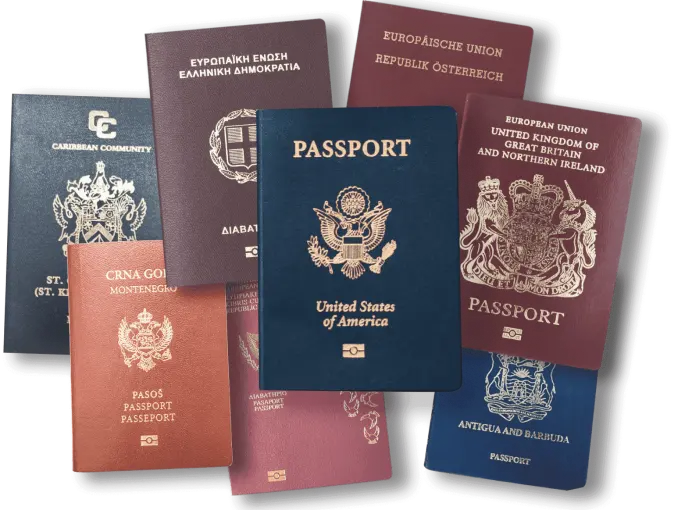
Where $90–130K passports get you: 82–92 countries, but not the EU, US or UK
 4 offices
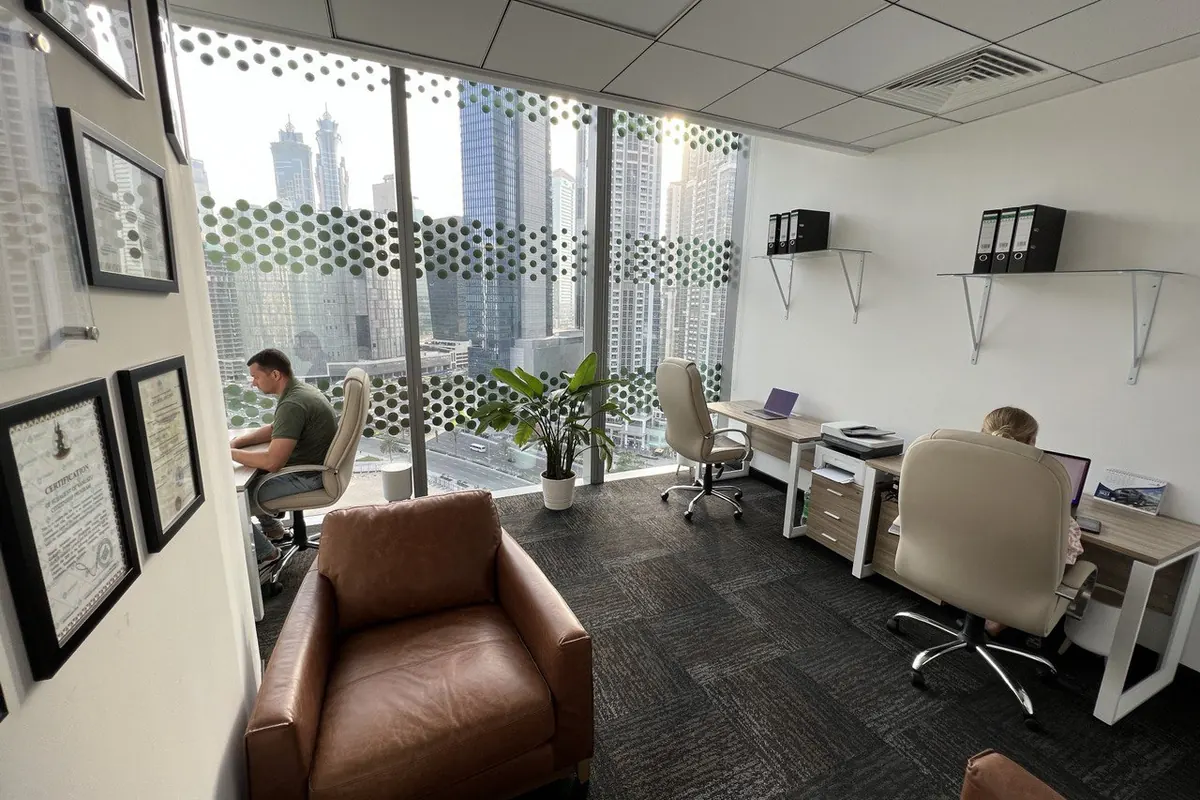
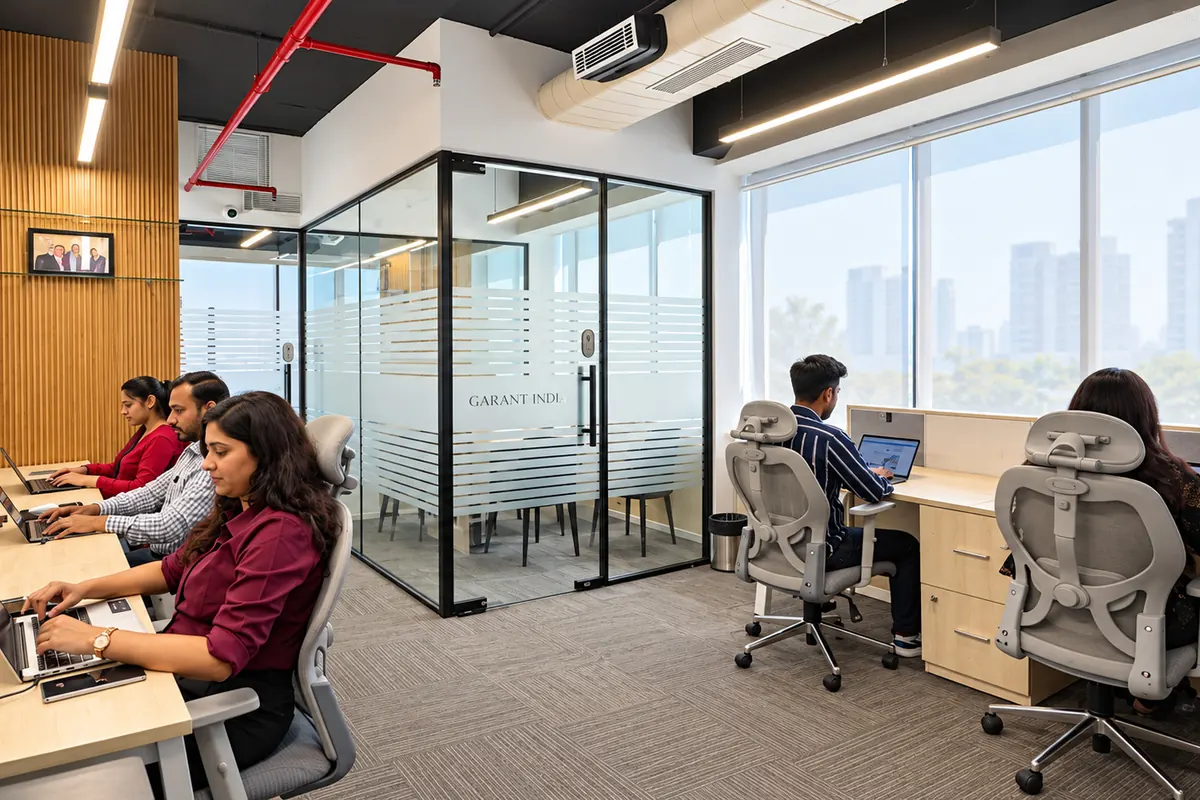
Moscow, Dubai, New Delhi and Mumbai. Visit an office and see who is working with you.

Garant IN is a member of the Investment Migration Council (IMC), the Geneva-based international association of the investment migration industry. investmentmigration.org →

Garant IN is a member of CCI France Russie, the French Chamber of Commerce and Industry in Russia. ccifr.ru →
International migration consultancy since 2015.
Two levels of quality control: Garant IN's migration consulting and case management department runs a rigorous pre-application compliance screening (Pre-Due Diligence) and prepares the document package to 2026 requirements, while the application in the United States is prepared and filed together with licensed US immigration attorneys. This is how we minimise the risk of refusal at the preparation stage, before the documents reach the government authority.
A Targeted Employment Area is either a rural area (outside metropolitan areas and towns with a population of 20,000 or more) or an area with unemployment of at least 150% of the national average. For regional centre projects USCIS designates the TEA on the centre’s application; for a direct investment you submit census-tract data. If the project is neither in a TEA nor infrastructure, the threshold is USD 1,050,000.
A regional centre is the passive route: the money is pooled with other investors, up to 90% of the jobs may be indirect, and you do not run the business. The programme is authorised by law through 30 September 2027. A direct investment is your own enterprise with 10 direct jobs and genuine management. We choose by whether you want to run a business in the US.
The law does not guarantee it and forbids guaranteeing it: the capital must be at risk, with no right to demand repayment. The minimum investment period is 2 years; after that everything is set by the project documents: timing, order of payments, security. We read them as an investment deal and talk about the risks before you sign.
Seven years of tax returns, business and corporate records, proof of asset sales, inheritance, gifts and loans (permissible if received in good faith). The whole chain is needed: where the money came from and how it reached the project account. The remittance goes under the Liberalised Remittance Scheme: USD 800,000 exceeds one person’s annual limit, so it is spread across family members or financial years, or funded from money already held abroad, with TCS factored in. We plan this before the first transfer.
There is no statutory term: Form I-526E has no premium processing, USCIS times change, and the visa number depends on the country of birth and the category. For India-born investors the Unreserved category was Unavailable in the September 2026 Visa Bulletin while the set-asides were Current. We show the current USCIS and Visa Bulletin data on the date of filing and do not quote ‘guaranteed’ timelines.
Yes, if you are in lawful status and a visa number in your category is available: Form I-526E is filed together with Form I-485 for adjustment of status, each form paid separately. Forms I-765 for a work permit and I-131 for Advance Parole are filed at the same time; they allow you to work and travel while the case is pending, independently of your H-1B employer.
The first green card is issued for 2 years on condition. In the 90-day period before it expires Form I-829 is filed with evidence that the investment was made and sustained and that the 10 jobs were created or will be created within a reasonable time. While the petition is pending the status is extended automatically. After approval the green card becomes permanent.
Immigrant visa cases for India are processed through the National Visa Center and interviewed at the US Consulate General in Mumbai. UAE residents are interviewed at the US mission in the UAE. The spouse and children attend as derivatives. We plan this at the DS-260 stage.
Yes. A permanent resident must keep a residence in the US: a long absence may be treated as abandonment, depending on the reason and the planned length of the trip. Before a long trip a re-entry permit is obtained (Form I-131). If you are not ready to relocate yet, that must be considered before the investment.
After 5 years as a permanent resident Form N-400 is filed; it may be submitted 90 days before the period ends. Continuous residence and physical presence are calculated in advance so that travel does not reset the clock. India does not permit dual citizenship, so naturalisation means giving up the Indian passport.
The CSPA age is the age on the visa availability date minus the days Form I-526E was pending. If the child is under 21 by that calculation, they must ‘seek to acquire’ the status within 1 year of visa availability. With the India backlog in Unreserved this is the key risk; if the child does not make it, we discuss their own EB-5 petition or another basis.
A permanent resident reports worldwide income in the US, including income from the investment and from assets in India. Your residential status in India under the Income-tax Act, the India–US tax treaty and the reporting of Indian assets are planned before the status is granted, not after.
No. EB-5 covers only the spouse and unmarried children under 21; the age is calculated under the CSPA with the time Form I-526E was pending deducted. Parents and children over 21 only through their own investment or another basis, and after your citizenship through a family petition.
It does not: USD 800,000 in a TEA or USD 1,050,000 is one investment for the investor, the spouse and all the children. Only the per-person fees grow (Form I-485 USD 1,440, or DS-260 USD 345 plus the USCIS Immigrant Fee USD 235) and the cost of medical examinations and translations. Form I-829 is filed once for the whole family. For Indian residents the LRS remittance can be spread across family members, which also helps fund the investment.
Yes. If the application is refused through the fault of our team or an error in building the case, we refund the company's service fee less a minimal retention for costs actually incurred. Refund terms, the payment schedule and the rules on retaining service costs are fixed in the contract before work begins. Before we start, we check your documents and risk history free of charge and tell you about any risks in advance.
Message us in the messenger you prefer and you will receive an estimate for your family and route. We never message first: you send the first message.
Our fee depends on the route (regional centre or direct investment) and the family composition. We send the quote in reply to your message.
Programme updates and case breakdowns in our channels.
Figures and conditions on this page are checked against legislation and official pages. Last verified: .
Page updated: