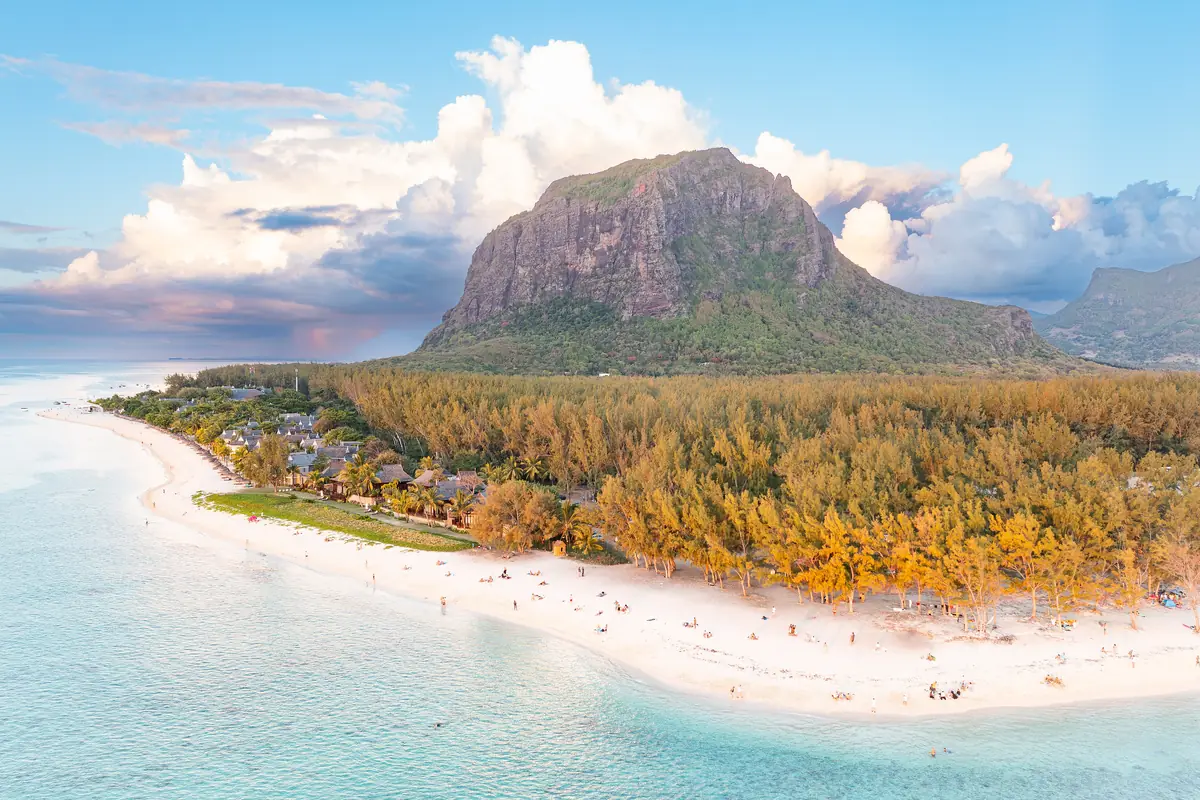
A status with no expiry date
The residence permit needs no renewal or re-confirmation: it runs for as long as the property is yours. The EDB rules do not require a set number of days on the island.
A Mauritius residence permit for the buyer of a home from USD 375,000 in a project approved by the Economic Development Board (EDB): PDS, IRS, RES, Smart City or an apartment in a G+2 building. The status runs for as long as you own the property, covers your spouse or partner and children under 24, and lets you work and invest without a separate Occupation Permit. This is residence, not citizenship: the Indian passport stays.
Facts verified October 8, 2026 against official sources · Sources
Facts verified October 8, 2026 against official sources · Sources
Owner, regional partners, the migration consulting and case management department and senior experts. These are the people you will speak to on the phone and meet in the office.

Founder & Managing Partner

Partner, Middle East & MENA Region
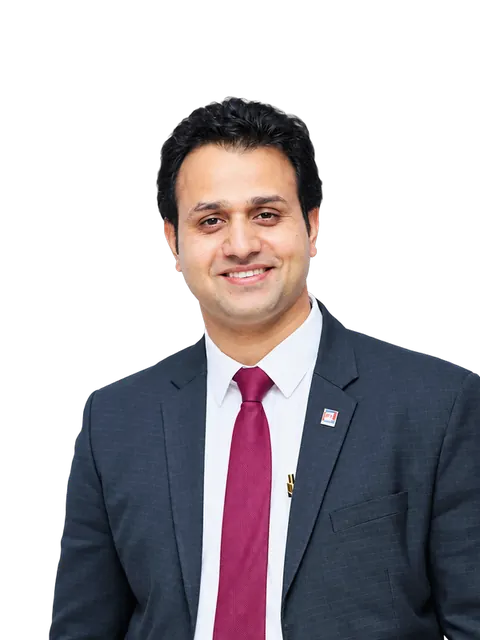
Managing Director, India & South Asia

Partner, Russia & CIS Region

Head of Migration Consulting & Case Management

Immigration & Compliance Specialist
The residence permit needs no renewal or re-confirmation: it runs for as long as the property is yours. The EDB rules do not require a set number of days on the island.
The money goes into a villa, townhouse or apartment in a resort project. The property can be rented through the project’s management company and resold at no minimum price after 30 days’ notice to EDB.
An owner with residence by property is exempt from the work permit: you may invest in companies and work in Mauritius without a separate Occupation or Work Permit.
Your spouse or common-law partner and children under 24 in full-time education receive residence for the same term as you. A wholly dependent next-of-kin is assessed separately under the EDB rules.
The EDB rules state expressly that there is no restriction on repatriating funds or proceeds from the sale or rental of the property. Mauritian tax residence is available, which we assess separately for your situation, including the India–Mauritius tax treaty.
Under the Mauritius Citizenship Act a Commonwealth citizen, which includes Indian nationals, may be registered after 5 years of continuous residence; an investor of USD 500,000 may be naturalised after 2 years. The decision rests with the government, and India does not allow dual citizenship.
Facts verified October 8, 2026
| Investment threshold | from USD 375,000 price of a home in an approved project; for G+2 additionally a minimum of MUR 6,000,000 per unit |
|---|---|
| Registration duty (buyer) | 5% of the price PDS, Smart City; on a first purchase from the developer in IRS/RES, USD 70,000 or 5%, whichever is lower (EDB guidelines, November 2024) |
| EDB fee for the purchase application | MUR 25,000 non-refundable, per application; on resale the new buyer pays again |
| On resale | 5% + 5% land transfer tax of 5% paid by the seller, registration duty of 5% by the buyer |
| Developer’s bank guarantee | MUR 50,000 per unit an obligation of the PDS company to EDB, not of the buyer; we check it exists when selecting a project |
| Term of status | While you own the permit remains in force while the property is yours; the EDB rules provide no renewal or annual status fee |
Goals, budget, family composition, source of funds and the LRS plan. We decide: residence by property, the Investor Occupation Permit or the retired non-citizen permit from age 50.
Verification of the project’s EDB status, the developer and the bank guarantee. Preliminary contract with the project company.
Through the developer: certified document copies, bank KYC letter, preliminary contract, MUR 25,000 fee. The EDB rules fix no processing period, so we do not promise one.
Transfer of funds from abroad, deed before the notary, 5% registration duty, notary certificate of registration. For an off-plan purchase payments follow the VEFA stages.
Application to enter Mauritius, medical certificate and certificate of morality no older than 6 months, UID form, family documents. Filed with EDB for you and all dependants at once.
Rental through the project’s management company, work and investment without an Occupation Permit. On a sale, 30 days’ notice to EDB; the status ends when title passes.
The official conditions are set out above. Below is how the programme works in practice under the EDB rules and what we check when supporting a purchase.
The EDB rules tie payment to construction stages: 25% on signing, 10% after foundations, 35% after the roof, 25% on completion, 5% on handover. Residence is granted after the deed is registered, so the time to status depends on the property’s readiness.
Residence runs while you own a home in an approved project. A sale requires 30 days’ notice to EDB, and the buyer files their own application and pays the MUR 25,000 fee. If you need the status beyond the sale, we plan the exit in advance.
Rental goes through the project company or a manager it appoints and notifies to EDB. Letting independently through third-party platforms is outside the rules, and we factor this into the yield calculation.
If the property is held by a company, société or trust, the residence permit goes to the nominated shareholder, director, member or beneficiary, and the nominee can change no more than once a year. We choose the structure before the deal.
| Residence by property | Investor Occupation Permit | |
|---|---|---|
| Threshold | A home from USD 375,000 in an approved project | Investment from USD 100,000 in a Mauritian company |
| Term of status | For as long as you own the property | 10 years, renewable |
| Condition to keep it | Ownership of the property | Company turnover requirements from the third year and at renewal |
| Work | Without an Occupation Permit | Within your own company |
| Family | Spouse or partner, children under 24 | Spouse or partner, children, parents |
| 20-year Permanent Residence | No separate path | After 5 years with turnover from MUR 15,000,000 a year |
| Fees | MUR 25,000 per purchase application, 5% registration duty | USD 50 on filing and USD 1,000 on approval |
Occupation Permit figures are from the EDB pages (residency.mu) as at 6 October 2026; verified on the date of filing.
Coverage and expert commentary by Garant IN in business media.

You can't leave, you can't stay: how to prepare for obtaining a residence permit and French citizenshipRead on Forbes →

No French, No civic test: France’s exam‑free Visiteur visa Indian HNIs are quietly using as a first step to EU residencyRead on The Economic Times →

Is Dubai’s Property Market Cracking? Middle East conflict hits sales, delays projects and softens pricesRead on Financial Express →

Global Lens I U.S. President Donald Trump's Golden Card Visa: How Can Indians Tap This Programme?Watch on CNBC-TV18 →

Golden visa schemes are response to conflicts, Trump’s decisions on U.S. citizenship: Dubai-based immigration expertRead on The Hindu →

Is Dubai still a safe haven for investors, HNIs despite US-Iran conflict?Read on Business Standard →

Coverage in Moneycontrol: Amid US uncertainty, HNIs choose Caribbean, Gulf, EU residency programmesRead on Moneycontrol →

France, Italy or Grenada? Financial independence can get you settled there with freedom to roam world!Read on PTI →

Why India's wealthy are quietly buying second residencies abroadRead on India Today →
Who this programme suits in our practice.
You buy a villa, townhouse or apartment in an approved project, rent it through the management company and get resident status together with the asset. The EDB rules place no restriction on repatriating rental or sale proceeds.
Your spouse or partner and children under 24 in full-time education receive residence for the same term. The status is not tied to a number of days on the island. For Indian families Mauritius is a direct flight from Mumbai with a long-standing Indian-origin community.
Residence by property exempts you from the Occupation Permit: you can invest and work in Mauritius without a separate permit that would otherwise require turnover or a salary.
The Investor Occupation Permit starts at USD 100,000 invested in a company, is issued for 10 years and needs turnover to renew. Residence by property costs more at entry but does not depend on business performance. The comparison is below.
Our fee depends on the project, the purchase structure and the family composition. We send the quote in reply to your message.
Main applicant
Fees of licensed local lawyers and authorised agents are charged separately at their rates
Request a quoteApplicant with spouse, partner and children
Fees of licensed local lawyers and authorised agents are charged separately at their rates
Request a quoteFor Garant IN the family is a core value: residence by property in Mauritius is granted to your close family together with you under the EDB rules for the PDS, IRS and RES schemes. Below are the 2026 conditions under the EDB guidelines, without generic phrases.
A spouse by marriage certificate or a common-law partner by certificat de concubinage or affidavit. No separate income or investment is required from the spouse: the status derives from your ownership. An adult family member needs a medical certificate and a certificate of morality no older than 6 months.
Biological children, stepchildren and lawfully adopted children up to 24, provided they are in full-time education under the wording of the PDS guidelines. After 24 a child needs a basis of their own: a student permit, an Occupation Permit or a purchase of their own. Children over 18 need a certificate of morality.
Parents are not expressly named among dependants for residence by property. The PDS guidelines allow a ‘wholly dependent next-of-kin’, which EDB assesses case by case, and we make no promise in advance. A reliable alternative for parents aged 50 or over is their own retired non-citizen permit on transfers from USD 24,000 a year, which includes parents as dependants.
The USD 375,000 threshold does not rise with the number of dependants: one purchase covers the whole family. What grows is the paperwork for each person: certified copies of passport and birth certificate, two photographs, a medical certificate, a certificate of morality for adults, marriage and birth certificates with translations. The EDB fee of MUR 25,000 is paid per purchase application, not per family member.
The residence application is filed for you and your dependants at once after the deed is registered. Garant IN's migration programme experts check each family member’s documents against the 2026 EDB requirements in advance to exclude a refusal for an individual applicant. Verified on 6 October 2026 against the EDB guidelines.
The EDB conditions are the same for every project. The difference is which property you buy, how the deal is structured and what happens to the family’s status in a few years.
We verify the project’s status with EDB (PDS/IRS/RES/Smart City certificate), the developer’s bank guarantee and the management company’s terms. We do not recommend projects whose status is still ‘in progress’ for residence.
Individual, company, société or trust: the structure determines who is nominated for residence, the taxes on holding and resale, and for Indian buyers the LRS route and the RBI reporting. We cost the options before the preliminary contract is signed.
Funds must arrive from abroad through a recognised bank; the VEFA stages and the first USD 500,000 under a loan are paid in convertible currency. We prepare source-of-funds evidence for the bank’s and EDB’s KYC in advance.
Children under 24 in full-time education are included at once; after 24 they need their own basis. We plan the transition early: an Occupation Permit, study or a purchase of their own.
Mauritian tax residence, rental income, resale with 5% land transfer tax and the end of residence after a sale are costed before the purchase, not after.
Wording pending approval.
Mauritius residence by property is a residence permit under the Immigration Act granted to a non-citizen who buys a home in a project approved by the Economic Development Board. There are several schemes, PDS, IRS, RES, Smart City and apartments in G+2 buildings, but one threshold for the status: a property price from USD 375,000, paid from abroad in a freely convertible currency. The status has no term in years: it runs for as long as the property is yours.
The programme suits investors who want residence together with an asset in a resort country and plan to rent it through the project’s management company, families who want a base in the Indian Ocean without a compulsory number of days on the island, and entrepreneurs who need to work and invest in Mauritius without an Occupation Permit. Your spouse or partner and children under 24 receive the status in the same application. For Indian families Mauritius adds a short flight, an English- and French-speaking environment and a long-standing Indian-origin community.
It does not suit those looking for the 20-year Permanent Residence Permit or quick citizenship: permanent residence is granted on other grounds, and registration or naturalisation needs years of residence or 2 years with an investment of USD 500,000. Nor those who expect to buy an ordinary house outside the approved schemes, which gives no right to residence. We compare the alternative, the Investor Occupation Permit from USD 100,000, below.
Residence remains in force while the property is yours. The notary certificate, notices to EDB and rental through the management company are three formalities we handle for you.
The Permanent Residence Permit is not granted for property but on other grounds: 5 years on an Investor Occupation Permit with turnover from MUR 15,000,000 a year, 5 years as a professional or self-employed person with threshold income, or 5 years on the retired non-citizen permit with transfers from USD 200,000. If a permanent status is the goal, we select a parallel basis.
Under the Mauritius Citizenship Act a Commonwealth citizen, including an Indian national, may be registered after 5 years of continuous residence; a non-Commonwealth citizen is naturalised after 12 months of continuous residence plus 5 years in aggregate out of the preceding 7; an investor of USD 500,000 after 2 years. India does not recognise dual citizenship, so this is a separate decision.
The EDB rules name Mauritian tax residence as an option available to the owner. The rates, the India–Mauritius double taxation treaty and the timing of a change of residence are assessed separately before you move.
 4 offices
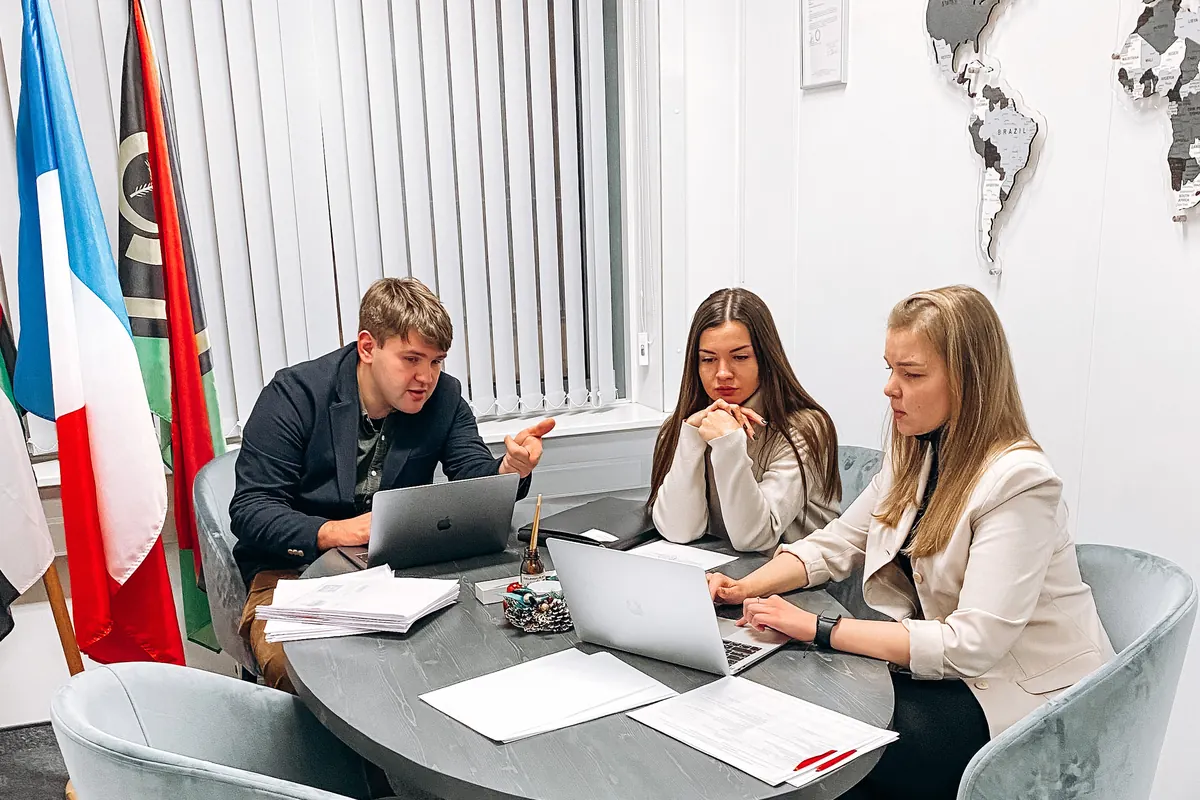
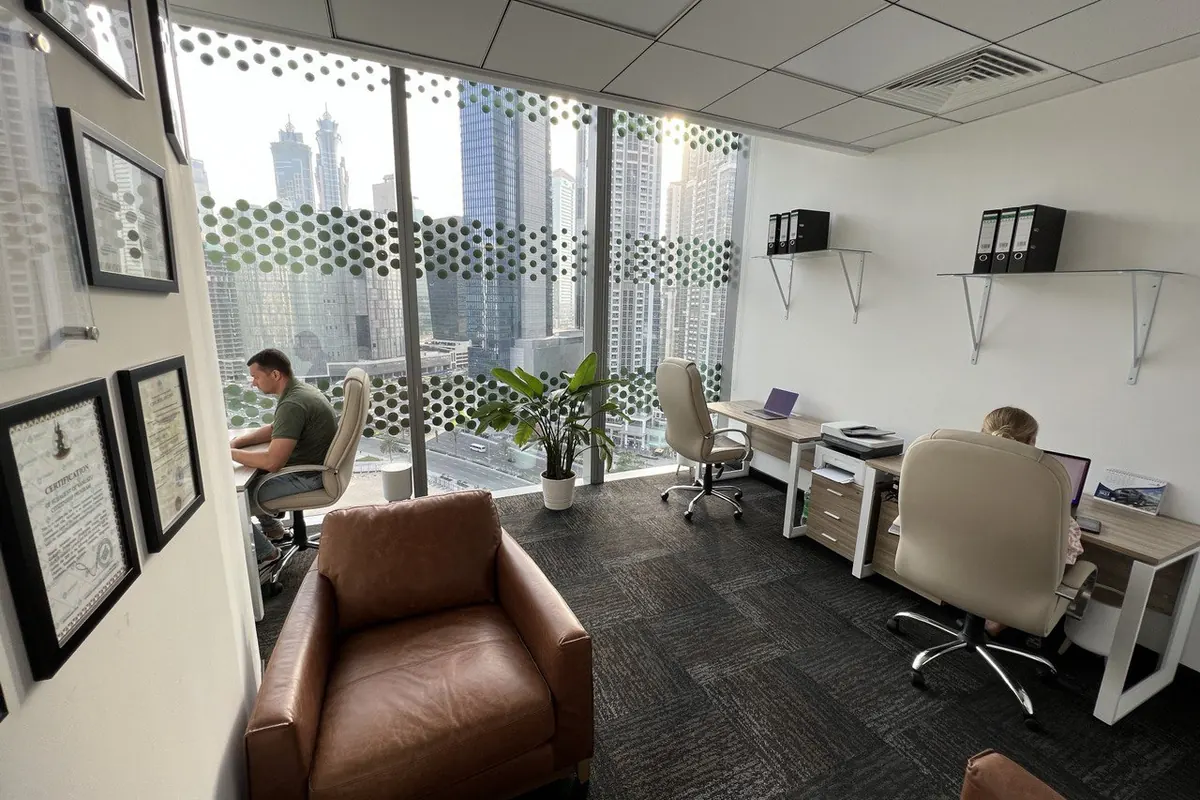
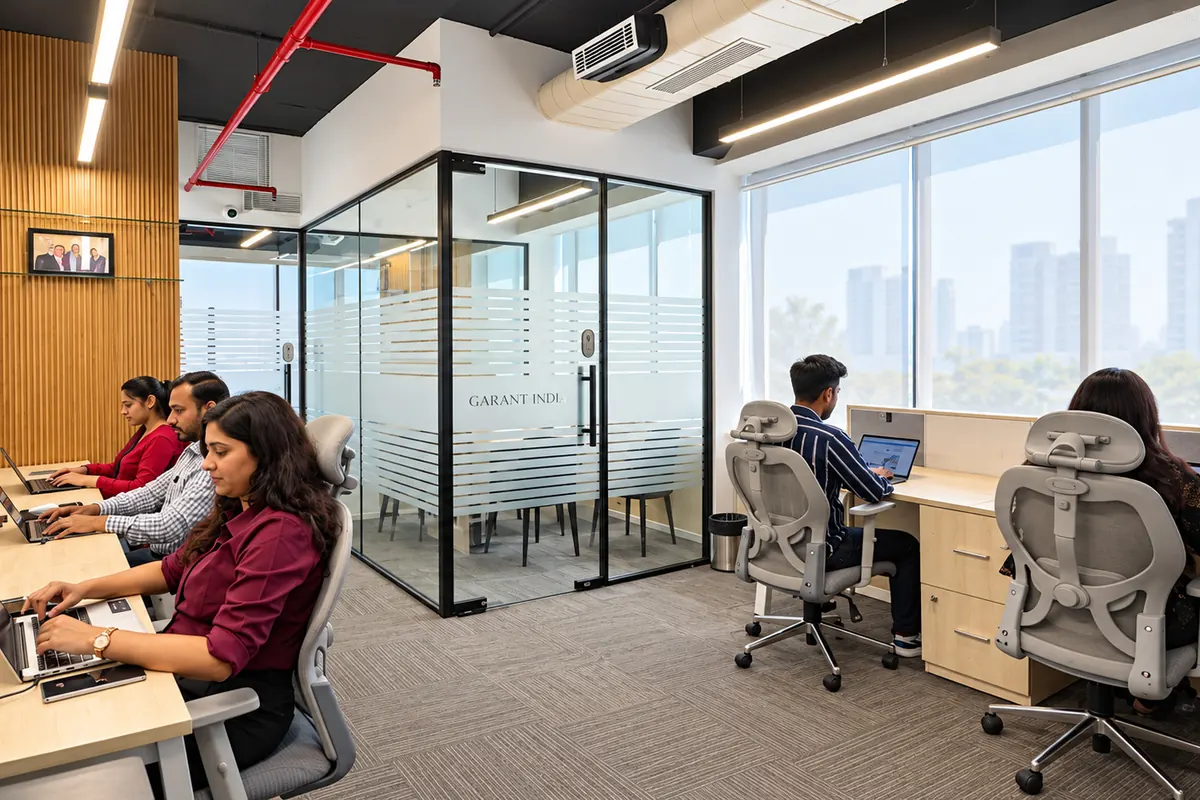
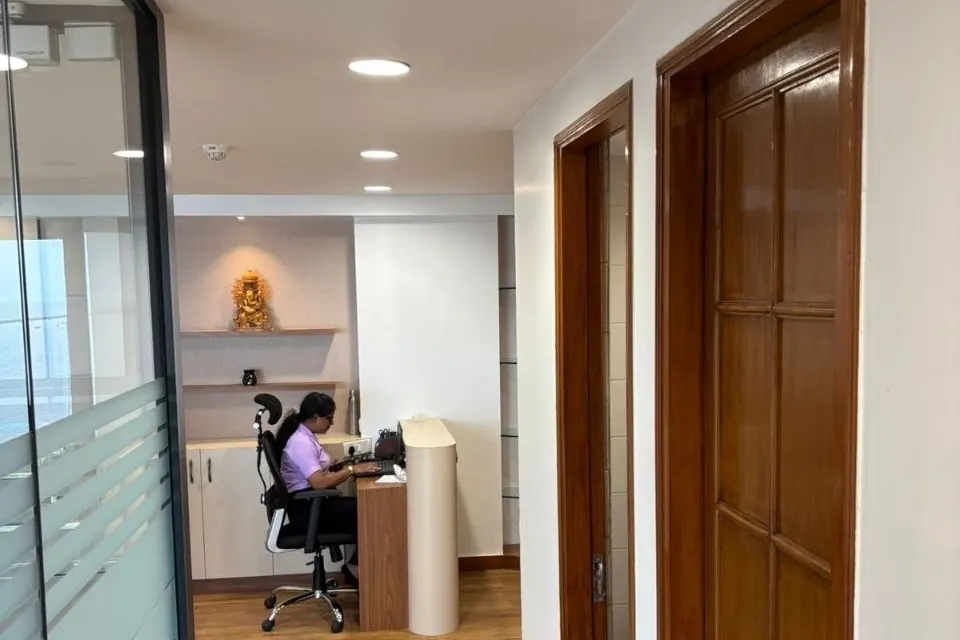
Moscow, Dubai, New Delhi and Mumbai. Visit an office and see who is working with you.

Garant IN is a member of the Investment Migration Council (IMC), the Geneva-based international association of the investment migration industry. investmentmigration.org →

Garant IN is a member of CCI France Russie, the French Chamber of Commerce and Industry in Russia. ccifr.ru →
International migration consultancy since 2015.
Two levels of quality control: Garant IN's migration consulting and case management department runs a rigorous pre-application compliance screening (Pre-Due Diligence) and prepares the document package to 2026 requirements, while the application in Mauritius is prepared and filed together with licensed local lawyers and authorised agents. This is how we minimise the risk of refusal at the preparation stage, before the documents reach the government authority.
Projects approved by the Economic Development Board under the PDS, IRS, RES and Smart City schemes, and apartments in buildings of at least G+2 in condominiums. In every case the residence threshold is a price from USD 375,000. EDB publishes the lists of approved projects; we verify a specific project’s status before reservation.
A purchase outside the approved schemes is governed by the Non-Citizens (Property Restriction) Act and needs a separate authorisation; it gives no right to residence. G+2 apartments are the exception: they may be bought outside the resort schemes and, at a price from USD 375,000, give residence. The minimum price of such an apartment is MUR 6,000,000.
Residence runs while you own the property and ends when title passes. You must notify EDB and the project company in writing 30 days before the sale. The buyer files their own application with the MUR 25,000 fee and receives their own status. You may sell to a non-citizen, a citizen, a company, a société, a trust or a foundation.
Yes, through the project company or a manager it appoints and notifies to EDB. Rental and sale proceeds may be repatriated freely: the EDB rules impose no restriction.
Yes. The EDB guidelines state expressly that an owner with residence under the PDS, IRS and RES schemes is exempt from the Occupation Permit and Work Permit to invest and work. This is the main difference from a tourist visa or the Premium Visa.
The EDB rules tie residence to ownership of the property, not to days on the island: the guidelines contain no minimum-stay requirement. Citizenship and tax residence are another matter: residence counts for them, and we calculate it separately.
You can, with a condition from the EDB guidelines: under a local-currency loan from a Mauritian bank the first USD 500,000 is paid in USD or another freely convertible currency, and the loan is repaid in convertible currency. The rest of the price may be financed by the bank. For Indian buyers the remittance of the own-funds portion is planned under LRS.
Yes: by a company under the Companies Act 2001, including one holding a Global Business Licence, by a société or by a trust with a qualified trustee licensed by the FSC. Residence goes to the nominated shareholder, director, member or beneficiary; the nominee can change no more than once a year.
Residence by property has no direct path to the 20-year Permanent Residence Permit: that is granted on the Investor, Professional or Self-Employed Occupation Permit or the retired non-citizen permit after 5 years. Citizenship: a Commonwealth citizen, including an Indian national, may be registered after 5 years of continuous residence; a non-Commonwealth citizen is naturalised after 12 months of continuous residence plus 5 years out of the preceding 7; an investor of USD 500,000 after 2 years. The decision rests with the government, and India does not permit dual citizenship.
On purchase, 5% registration duty; on sale, 5% land transfer tax paid by the seller. Tax on rental income and the income tax rates depend on your tax residence; the EDB guidelines name Mauritian tax residence as an available option. The specific rates and the India–Mauritius treaty are worked out in an individual calculation, not promised on the page.
The EDB rules set no statutory period for the purchase or residence application, so we do not quote days. In practice the path is governed by three things: the property’s readiness (for an off-plan purchase, the VEFA stages), the speed of the bank’s KYC and the completeness of the EDB file. The application is treated as filed only once EDB considers the file complete.
Children up to 24 in full-time education, including stepchildren and adopted children. Over 24 only on a basis of their own. Parents are not on the list of dependants; the PDS guidelines allow a ‘wholly dependent next-of-kin’ at EDB’s discretion, but there is no certainty here. For parents aged 50 or over a separate retired non-citizen permit is the safer route.
It does not: USD 375,000 is the price of one property and does not depend on the number of dependants. Only the documents grow: each family member needs a passport, birth certificate and medical certificate, adults a certificate of morality, and a couple a marriage certificate or proof of partnership. The EDB fee of MUR 25,000 is paid once per purchase application.
Yes. If the application is refused through the fault of our team or an error in building the case, we refund the company's service fee less a minimal retention for costs actually incurred. Refund terms, the payment schedule and the rules on retaining service costs are fixed in the contract before work begins. Before we start, we check your documents and risk history free of charge and tell you about any risks in advance.
Message us in the messenger you prefer and you will receive an estimate for your family and route. We never message first: you send the first message.
Our fee depends on the project, the purchase structure and the family composition. We send the quote in reply to your message.
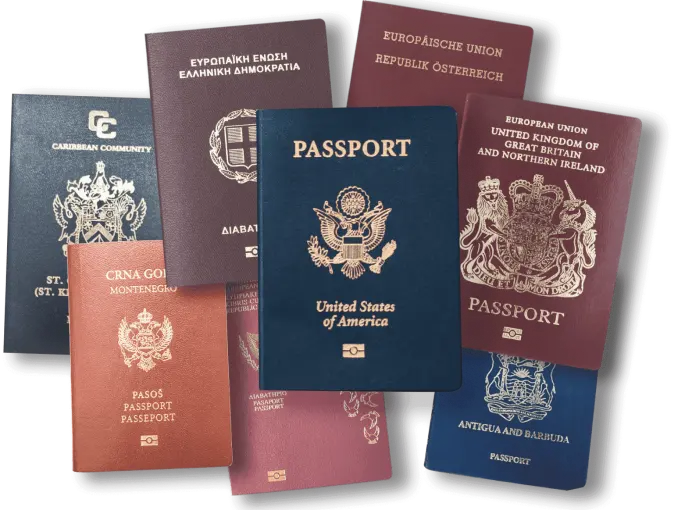
Programme updates and case breakdowns in our channels.
Figures and conditions on this page are checked against legislation and official pages. Last verified: .
Page updated: